śramaṇa
Department of Crafts and Creative Design, National University of Kaohsiung


四點設計 Contact to śramaṇa for cooperation

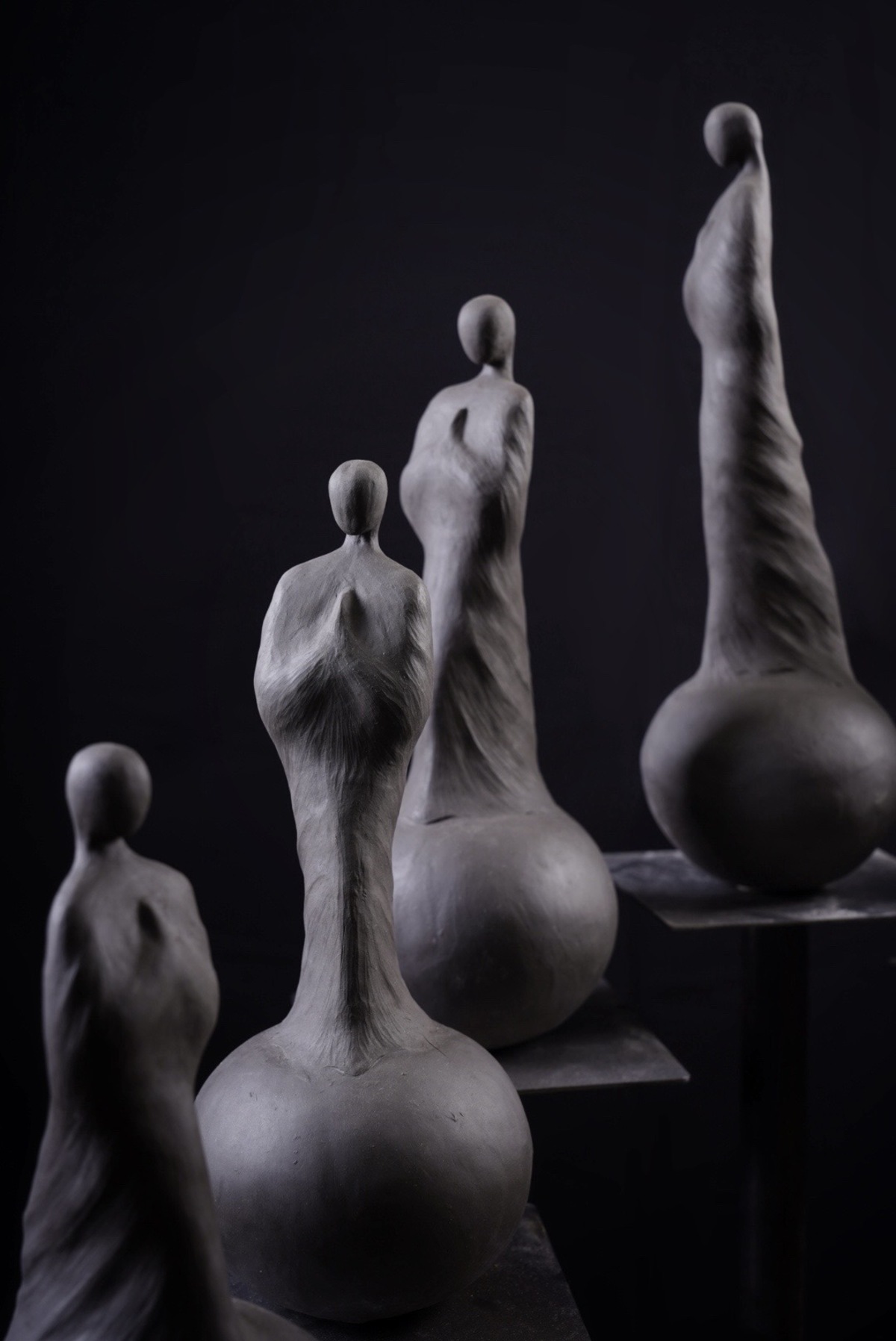
Where I come from and where I am headed—these two ends of a long road run through the very fabric of my life. The 'śramaṇa' is the tangible manifestation of my thoughts as I pursue the fundamental self along this path.
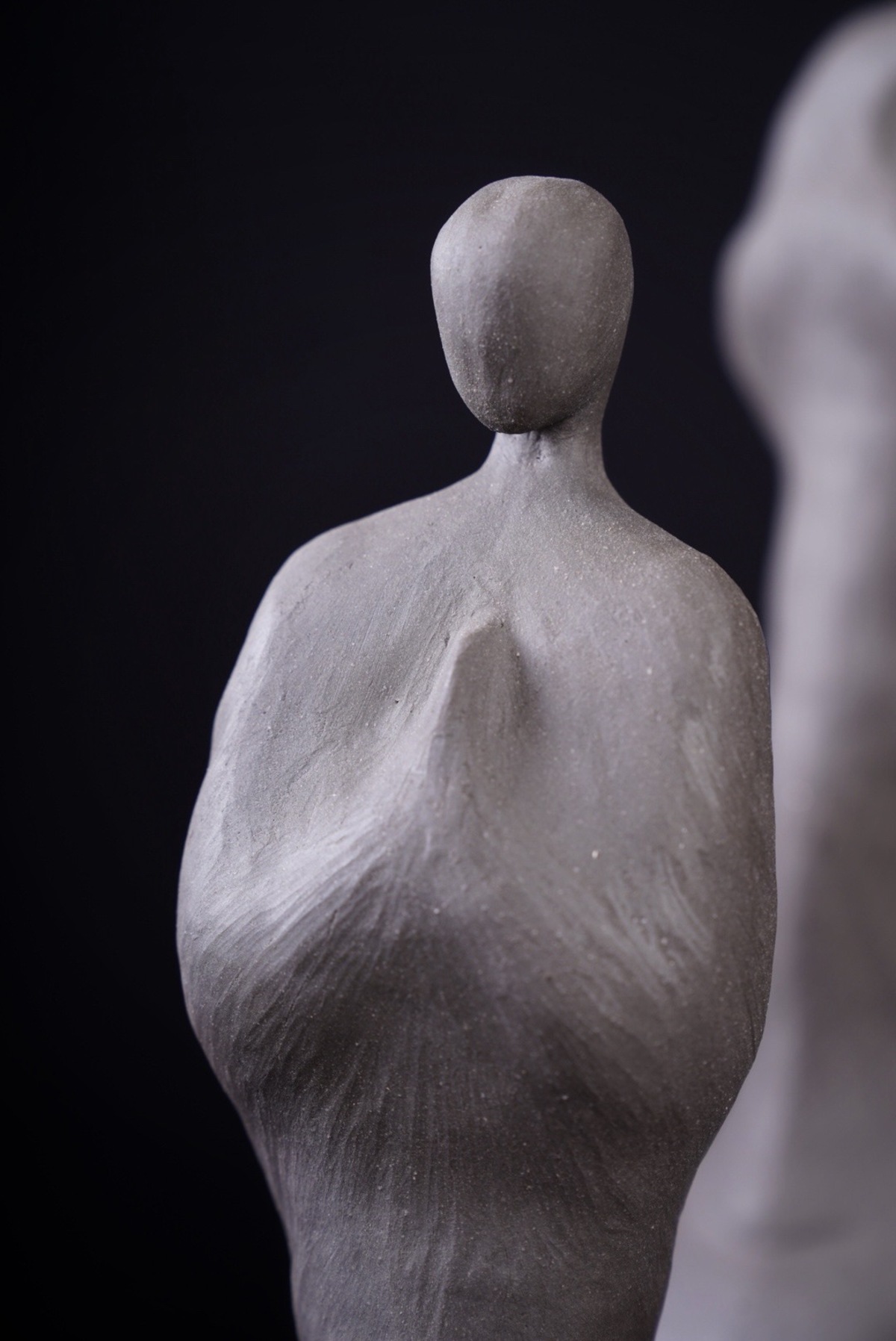
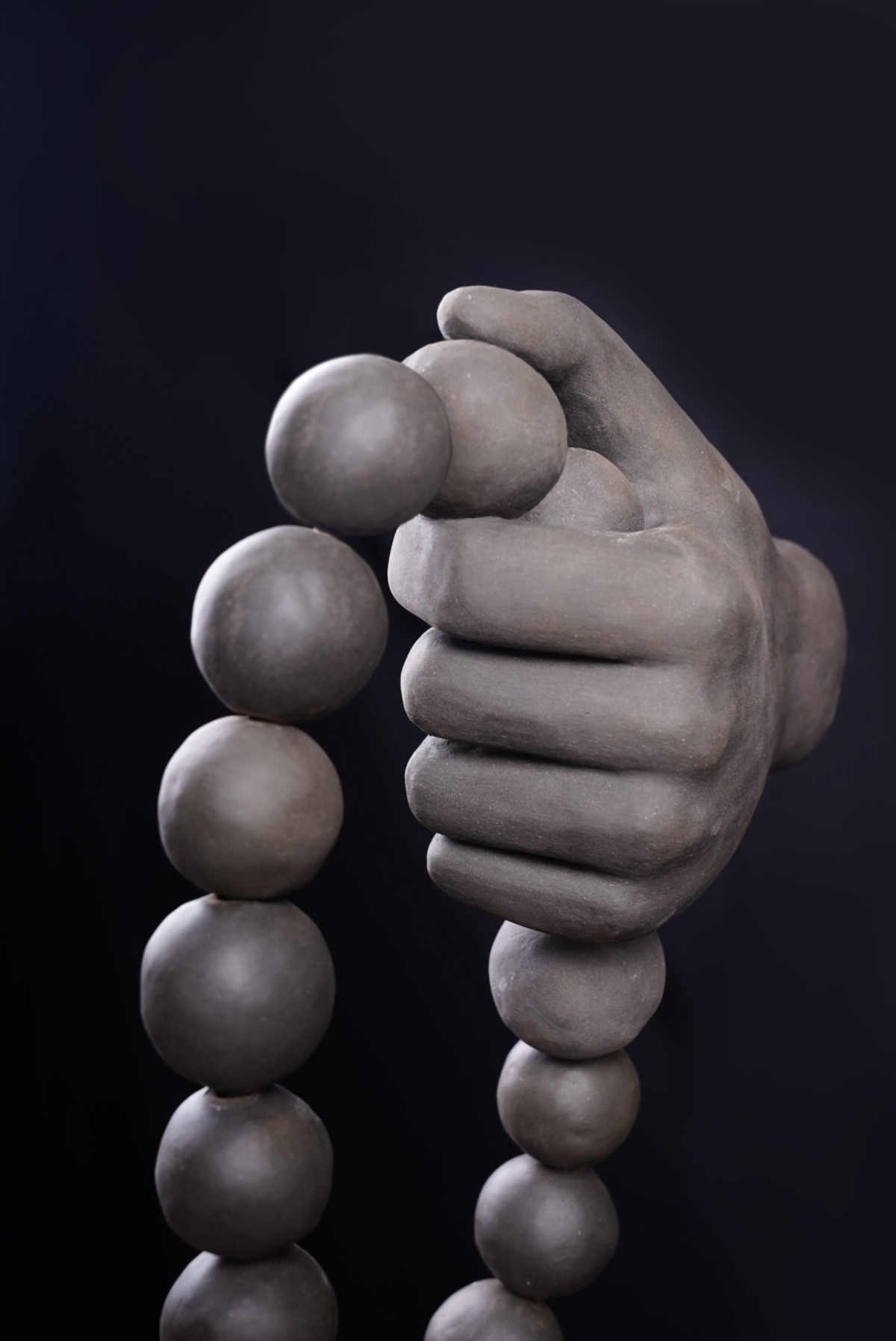
In my creative process, I strive to capture the 'śramaṇa's blurred and fluid state. Through hazy contours, indistinct features, and layered textures, I form figures with "non-fixed identities"—beings that navigate the worldly realm while possessing a sense of transcendence, always maintaining a steady, inner pace. The work integrates the imagery of prayer beads, an essential tool for spiritual cultivation. As the beads are counted, they serve to purge stray thoughts and center the mind. Thus, moving between one fleeting thought and the next, the 'śramaṇa' journeys upon the path of life, ceaselessly practicing and flowing in a state of pure concentration.
To me, the 'śramaṇa' is in no rush to arrive. They walk to experience and to witness; to see the world, and in doing so, to see themselves. This "seeing" is not judgment, but a truthful observation—where joy and pain, clamor and silence, are all embraced with an equal gaze.
They move within the river of life, yet in a sense, transcend it. The path of life cycles and returns, but the 'śramaṇa' walks beyond.