Select Main Body Text
:::

AROMA

Department of Cultural Creativity and Digital Media Design, Lunghwa University of Science and Technology

形象圖

四點設計 Contact to AROMA for cooperation

500

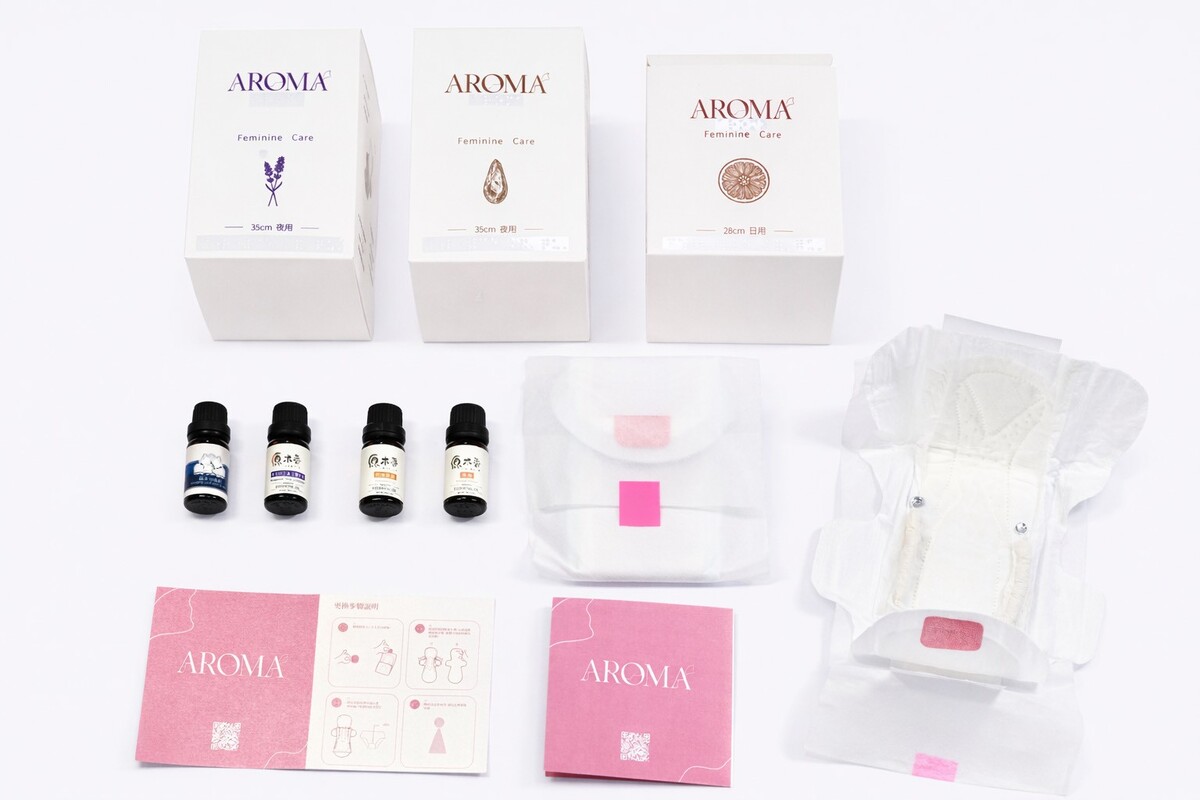
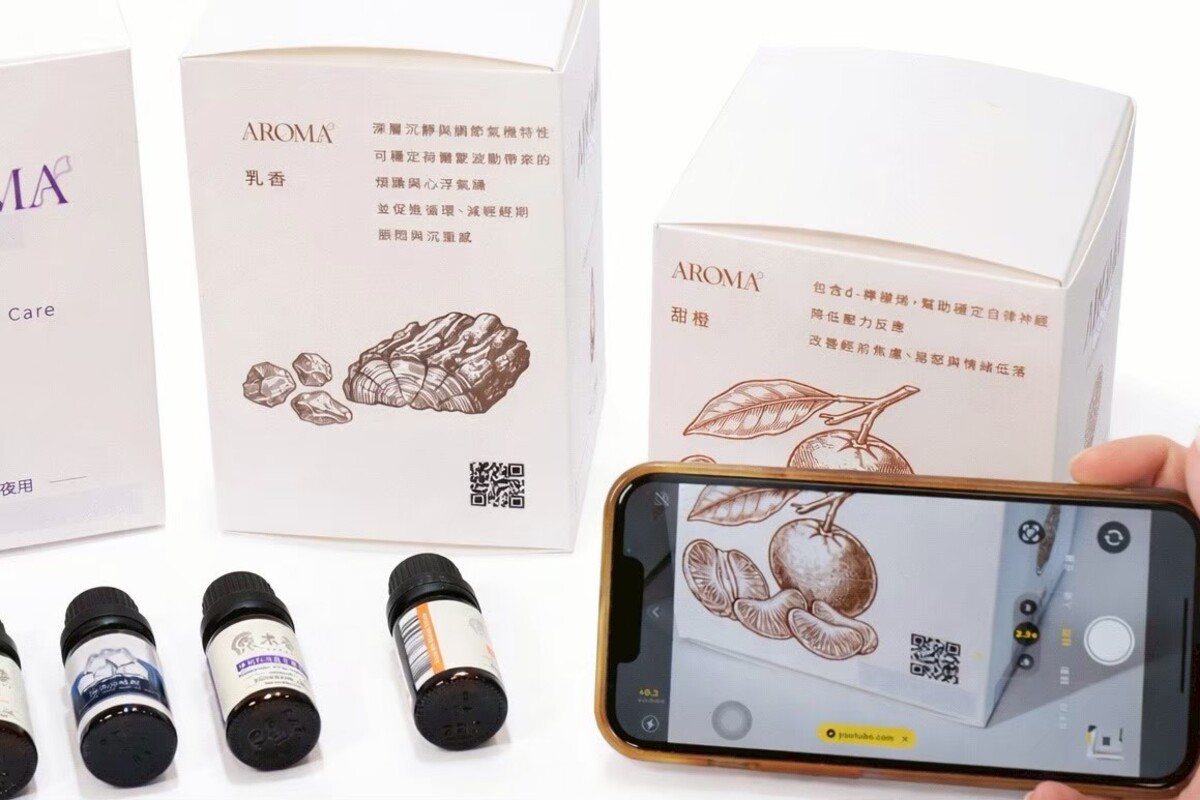
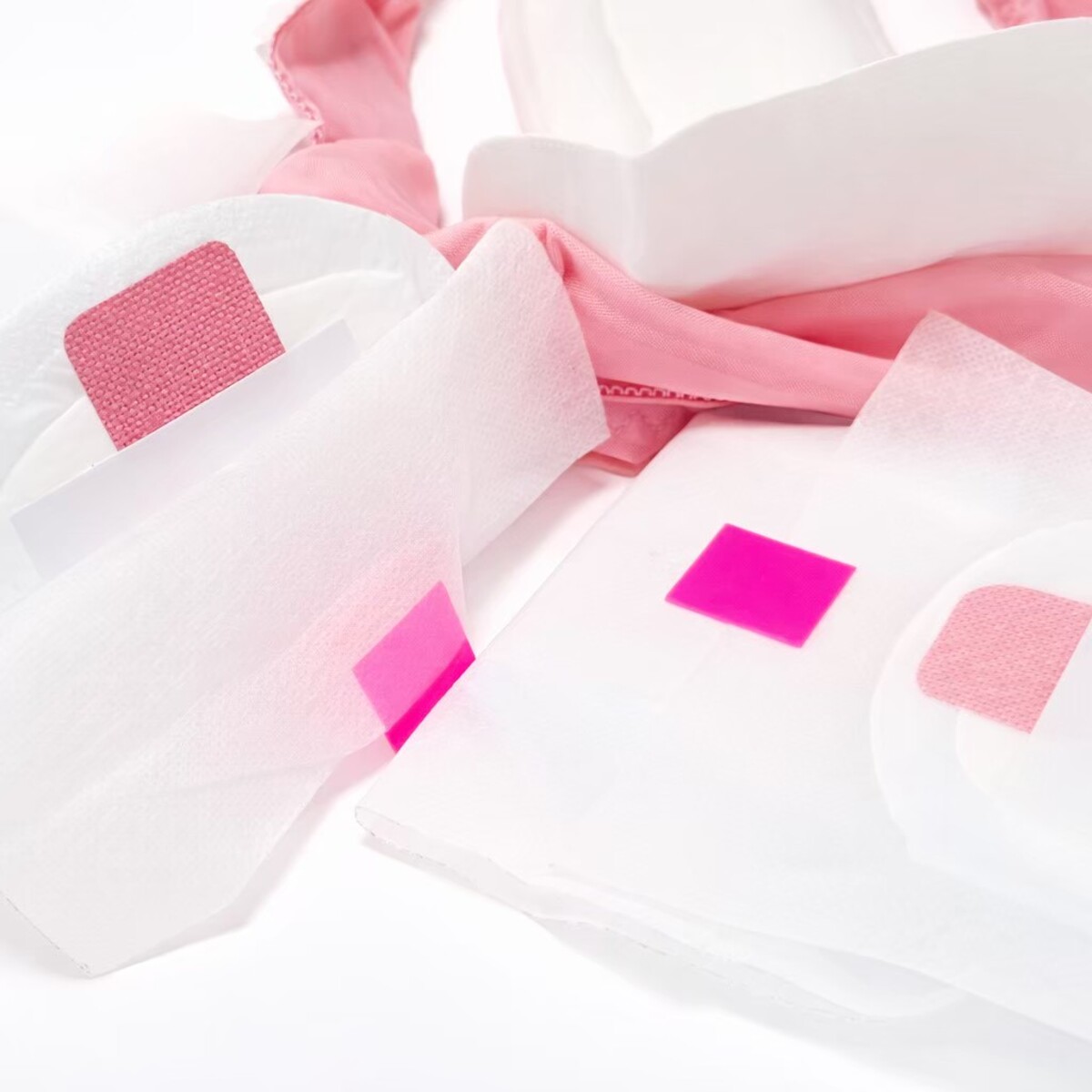
This project is grounded in the concepts of universal design and gender equality, addressing the often-overlooked needs of visually impaired women in menstrual care. It aligns with the United Nations Sustainable Development Goals, particularly “Good Health and Well-being” and “Reduced Inequalities.” By integrating olfactory, tactile, and auditory cues, the design creates a non-visual user experience that enhances independence and dignity. The product utilizes banana fiber infused with essential oils, releasing fragrance upon contact with fluid to signal replacement timing. Additional features such as tactile positioning structures and QR code-based audio guidance improve usability. Furthermore, the use of agricultural byproducts supports environmental sustainability. Beyond functionality, this design aims to raise social awareness and promote inclusive care for marginalized groups.

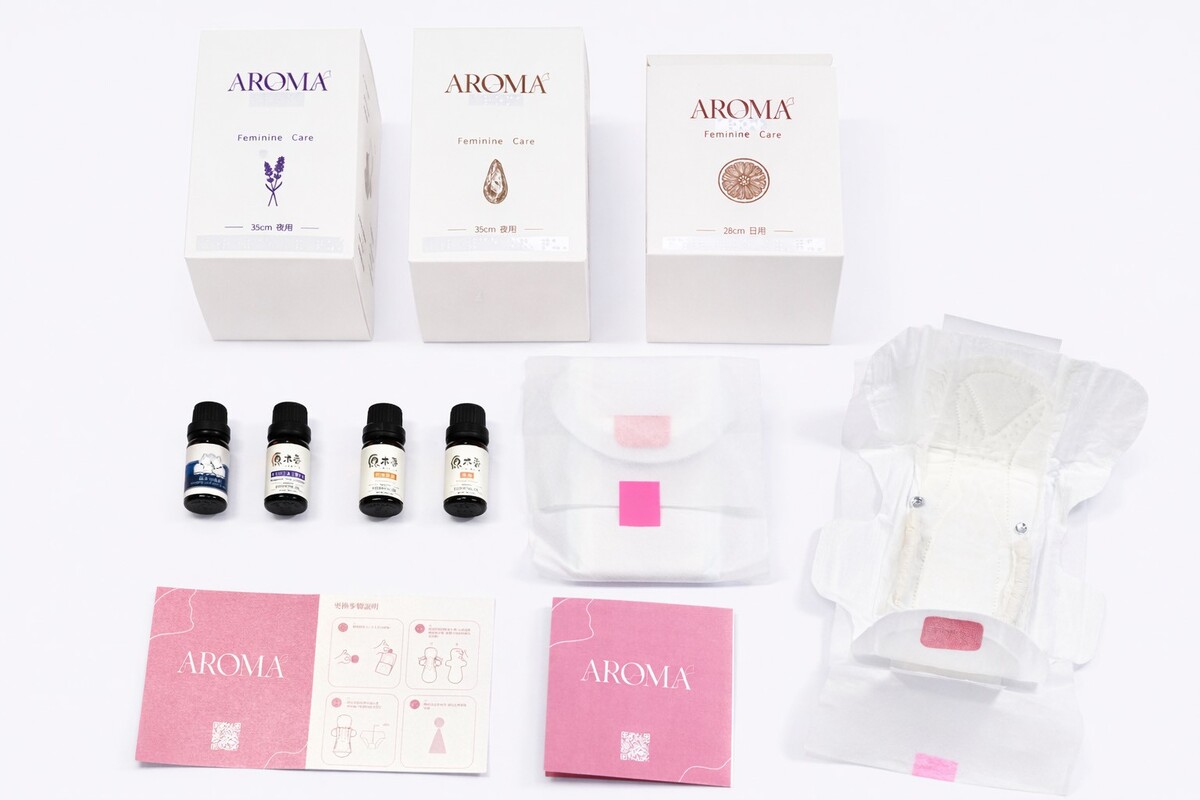
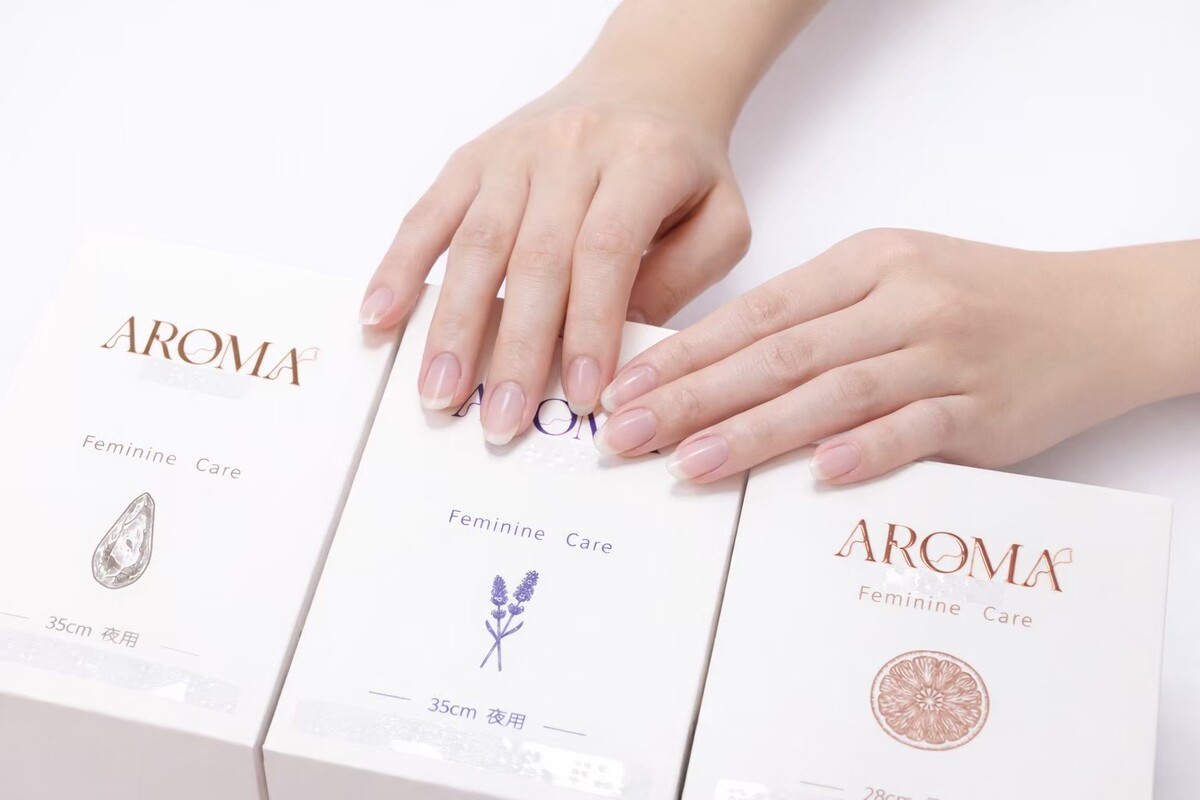
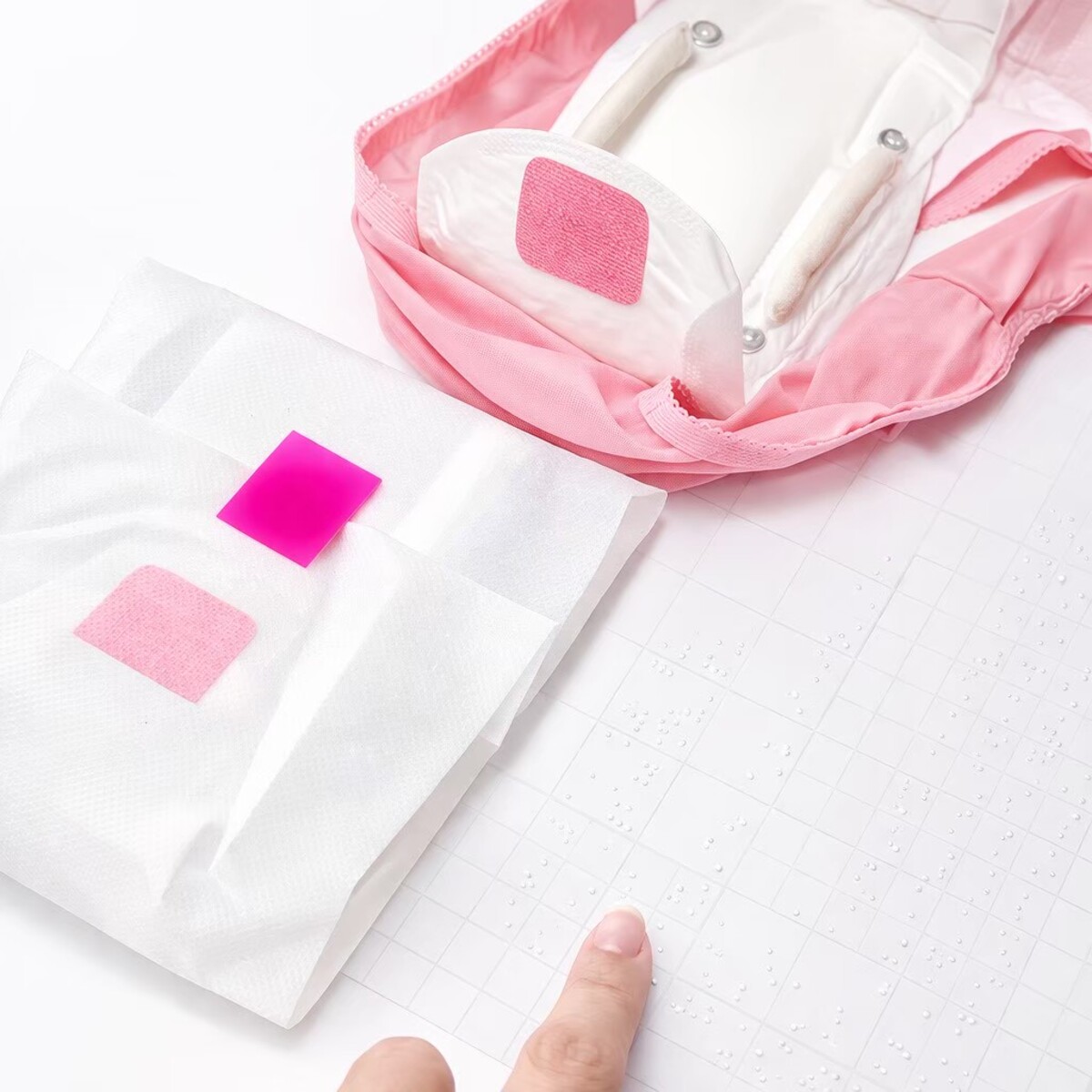
For visually impaired women managing their menstrual cycle, a multi-sensory sanitary napkin combining smell, touch, and hearing has been proposed. Set up QR code voice guidance to improve ease of use. The packaging combines Braille and 3D graphic markings to enhance the autonomy of visually impaired women in their daily lives. Using "olfactory cues" as the core design mechanism, it breaks through the traditional concept of relying mainly on visual or strong tactile cues. The positioning points and rough surface design help users identify the direction and adhesive position.

The Shadow of the Wetland

Department of Creative Design and Management, National Taichung University of Education

The Shadow of the Wetland explores the ecologically rich Niaosong Wetland in Kaohsiung. Rooted in the century-old aquatic memories of Xiaobei Lake, the project unfolds through three core perspectives: Observe, Explore, and Understand. Highlighting 28 common bird species found within the park, we designed a visual illustrated guide and a wetland handbook. By translating ecological knowledge into an approachable visual language, this project aims to re-establish the profound connection between people and the wetland.

back to top