Re-Mikania: Upcycling Mikania micrantha Materials
Industrial Design, National Cheng Kung University


四點設計 Contact to Re-Mikania: Upcycling Mikania micrantha Materials for cooperation


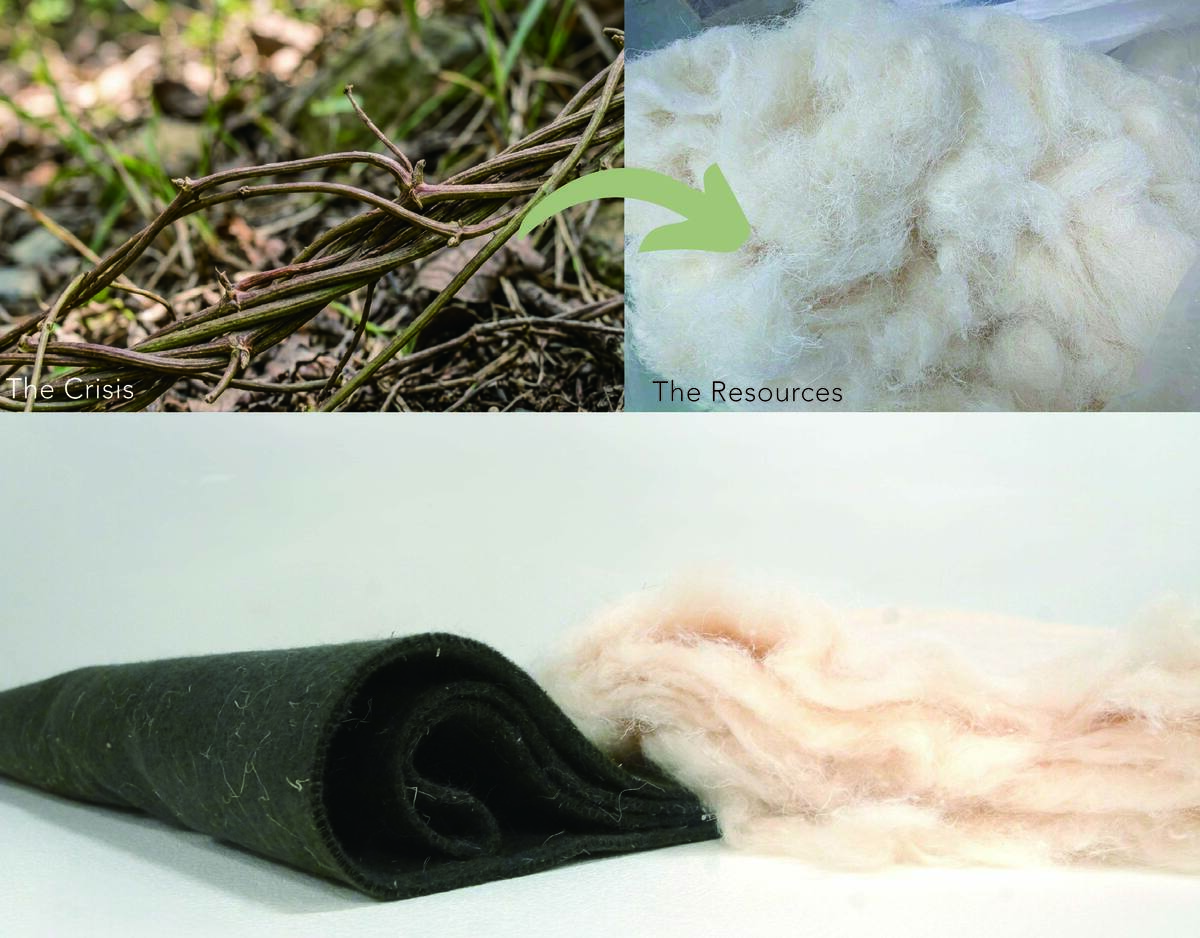
Native to Central and South America, Mikania micrantha is characterized by its iconic heart-shaped leaves. Due to its astonishing reproductive capacity, it has become one of Taiwan's top ten invasive alien species, infamously dubbed the 'green killer' or 'green cancer.'
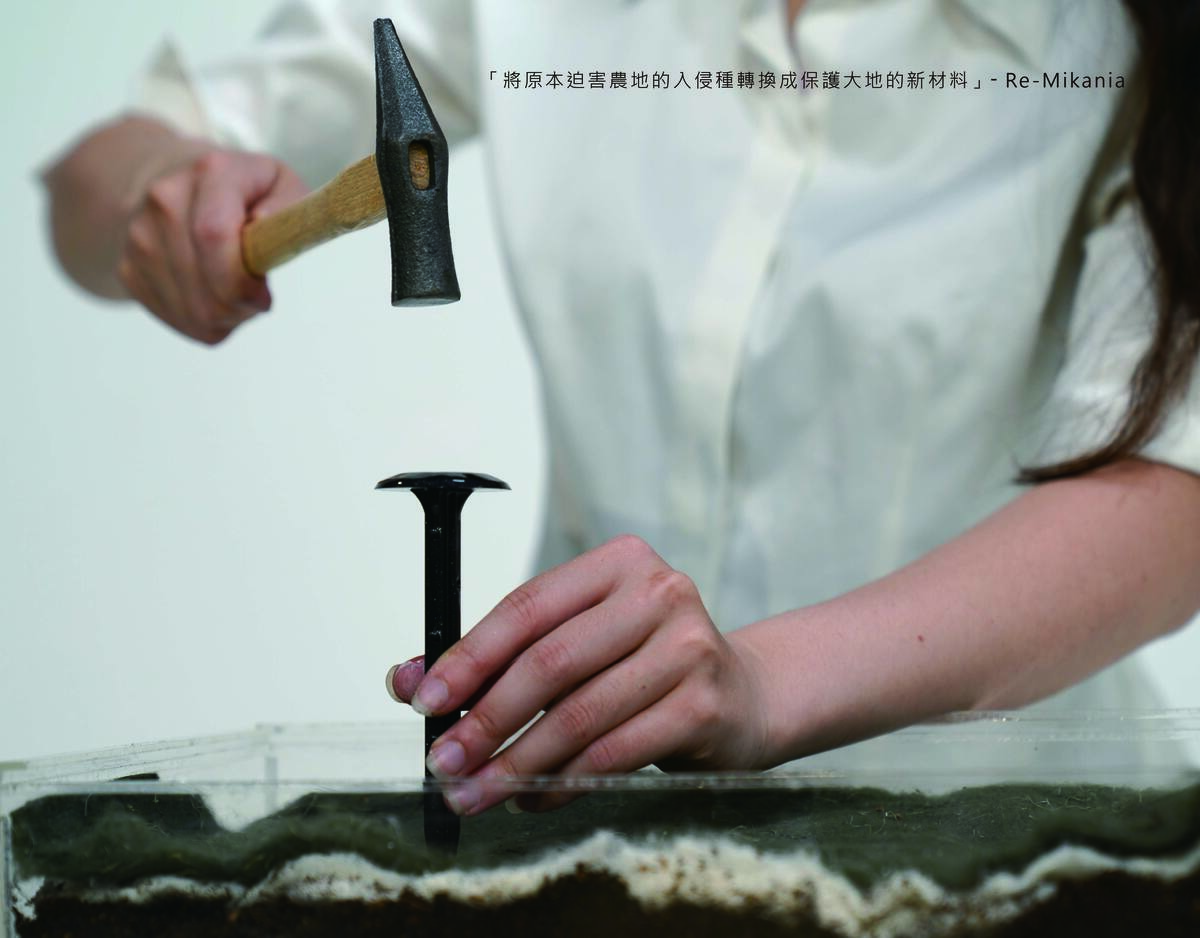
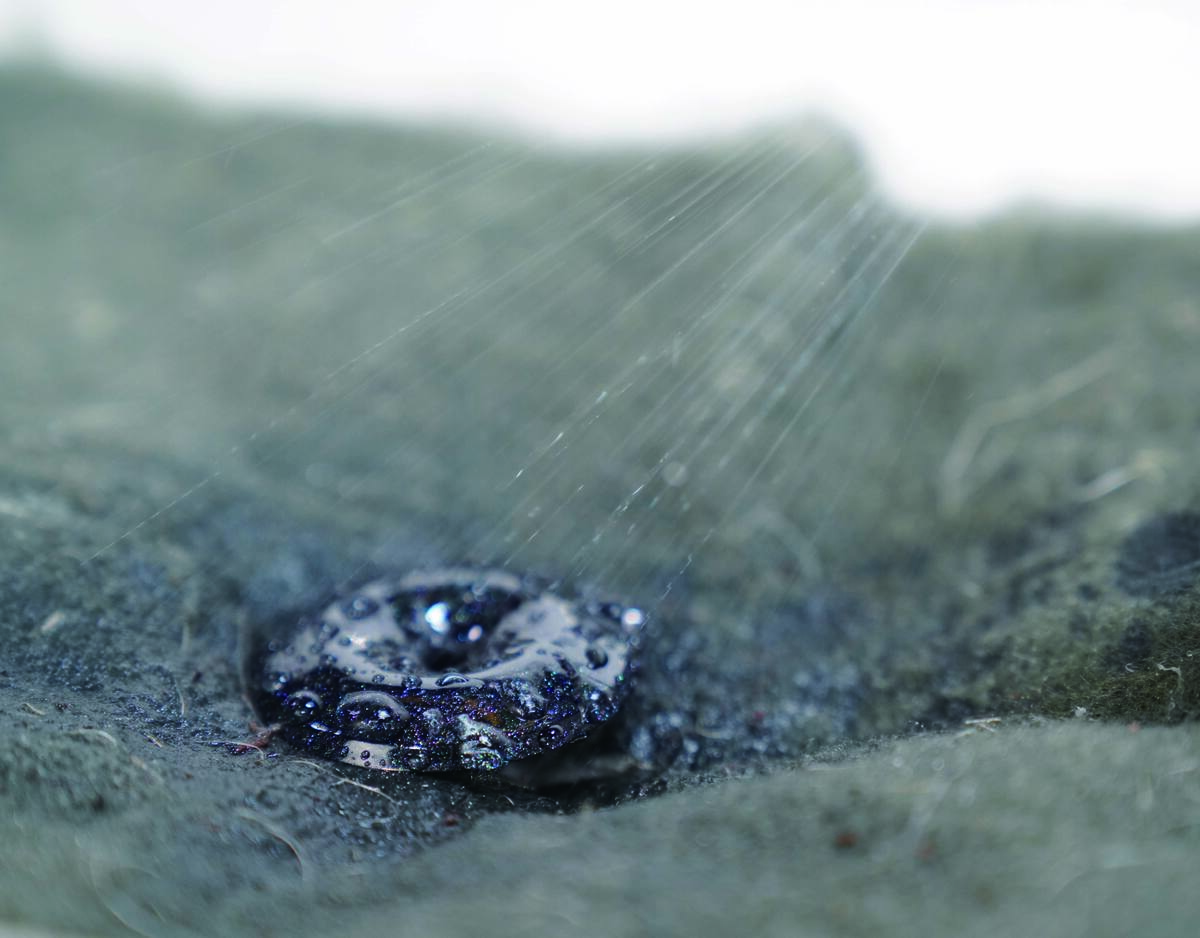
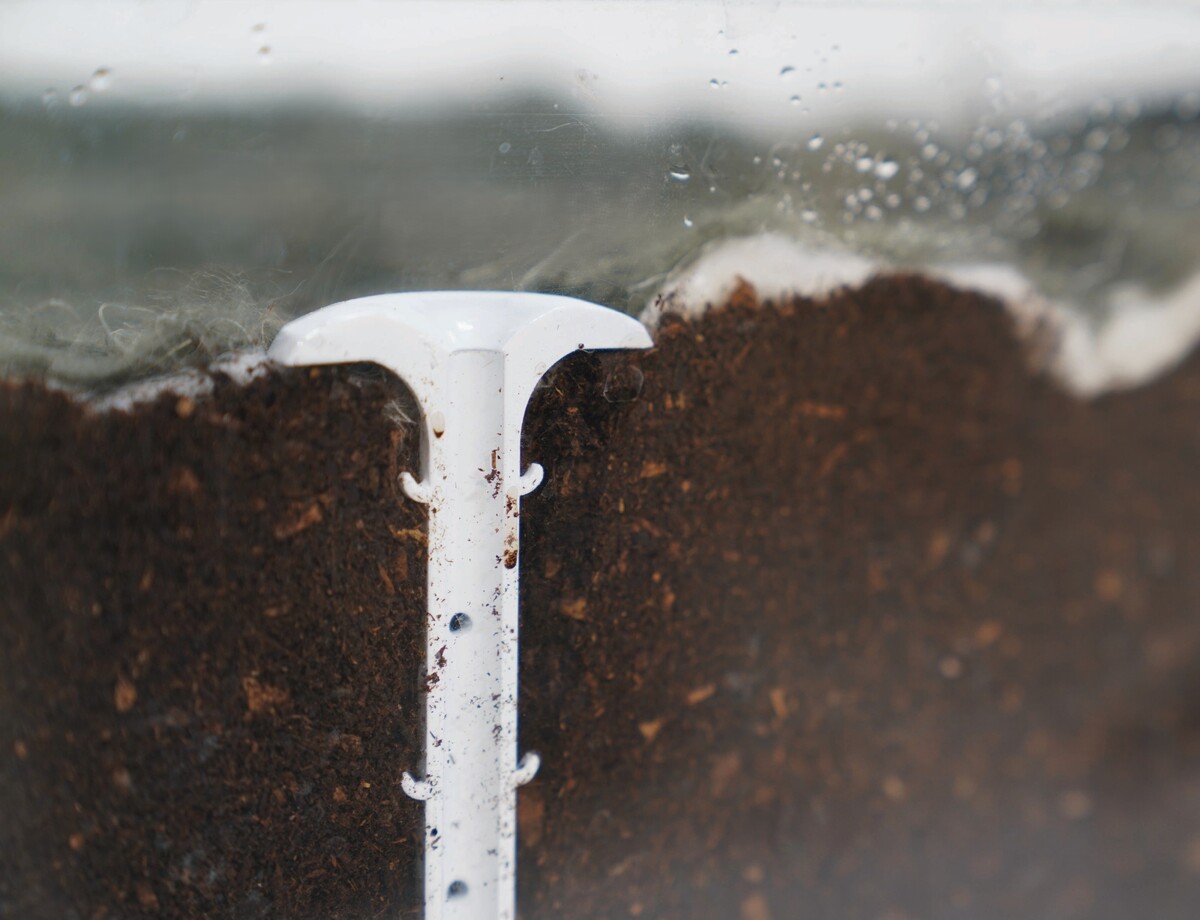
This design transforms this ecologically hazardous invasive species into an innovative agricultural material with sustainable value. We extract its high-tenacity fibers and blend them with rayon to create a weed-suppressing 'Double-Layer Weed Control Mat.' Concurrently, leveraging its natural antibacterial properties, we designed the 'Vinegar Drainage Nail,' which allows Mikania micrantha wood vinegar to penetrate deep into the soil during application while simultaneously enhancing soil aeration.
This solution effectively addresses the air pollution pain point caused by the traditional burning of cleared weeds, while substantially reducing reliance on chemical pesticides. By turning a farmland destroyer into an innovative protective material, this project successfully flips an ecological liability into a circular solution for safeguarding the earth."