Select Main Body Text
:::

Apsara

Department of Arts and Design, National Taipei University of Education

形象圖

四點設計 Contact to Apsara for cooperation

500

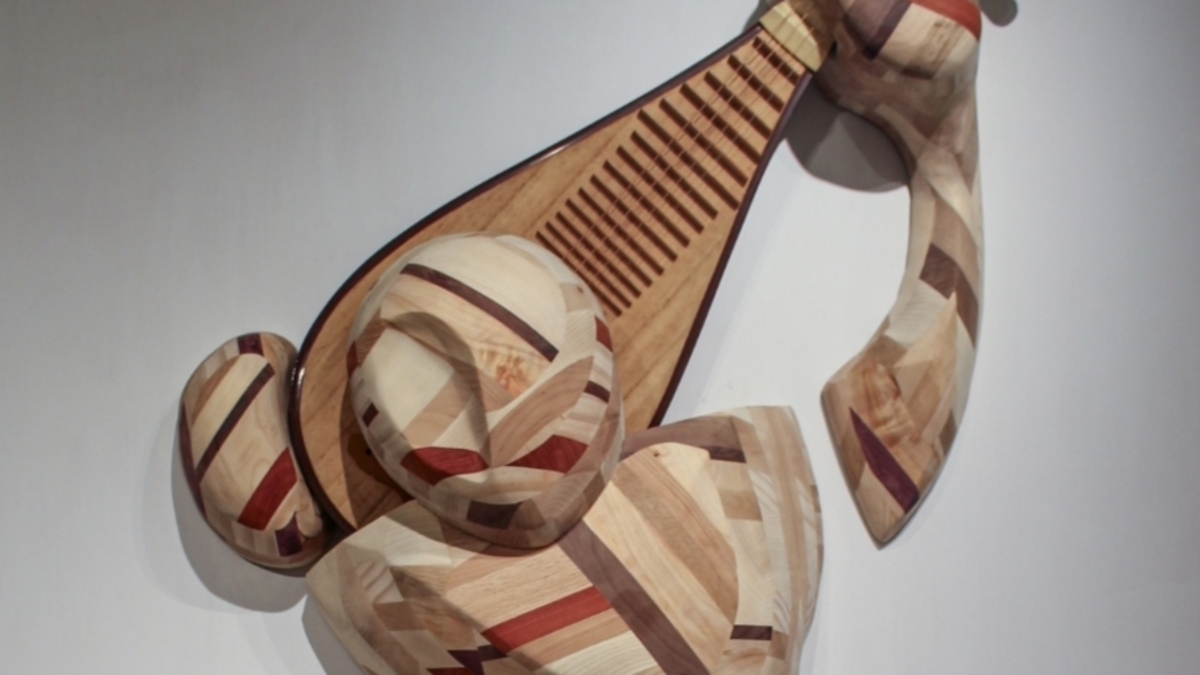
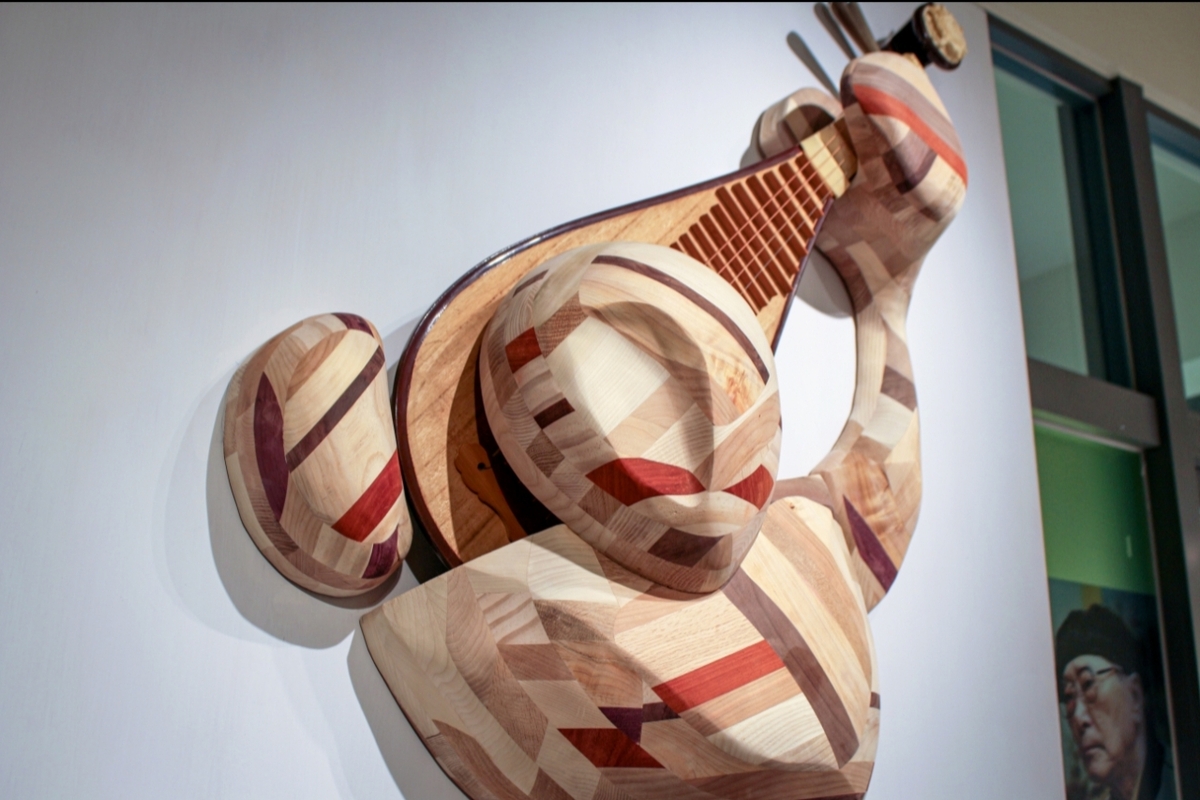
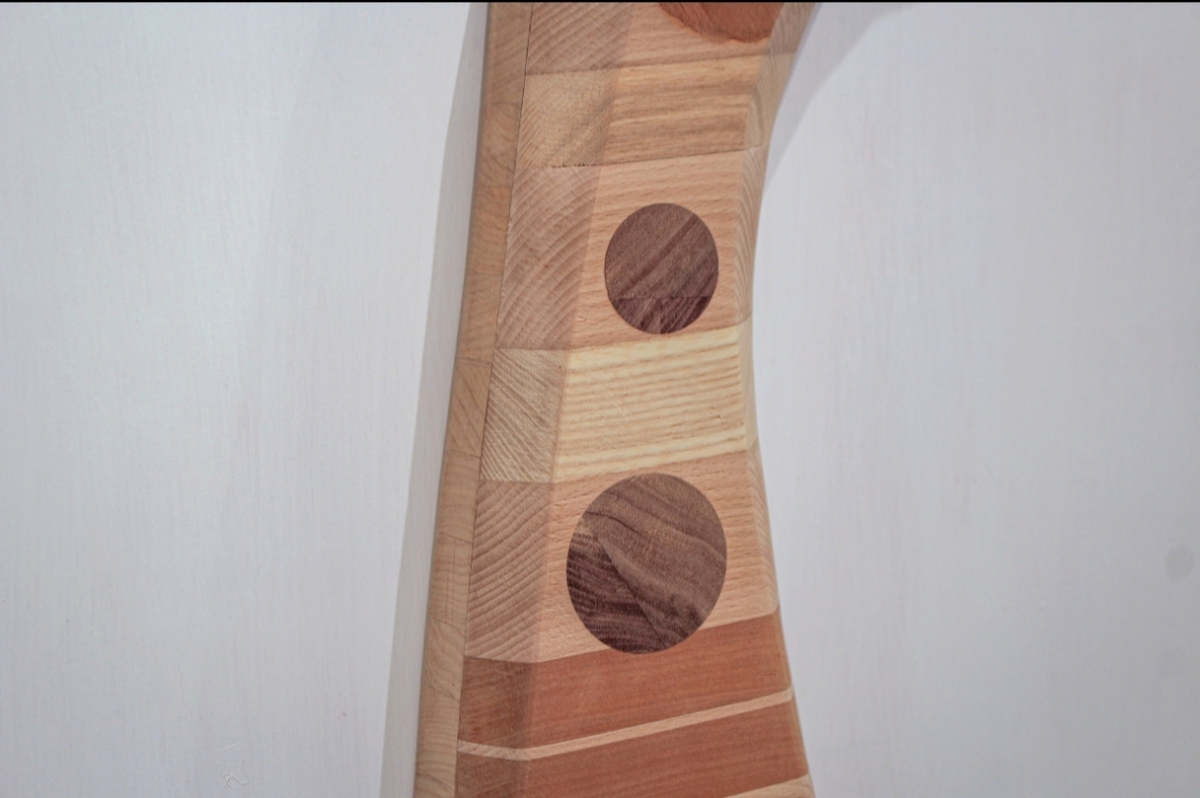
Starting from traditional Chinese music as its point of departure, this visual creation conveys its cultural essence through design. The work is inspired by the “Flying Apsara Playing the Pipa Behind the Back” depicted in Cave 112 of the Dunhuang murals. Through a modernist transformation of form, the dynamic lines of the figure are simplified and reconstructed, blending traditional art with contemporary expression while adding practical functionality, resulting in a decorative yet functional pipa stand.

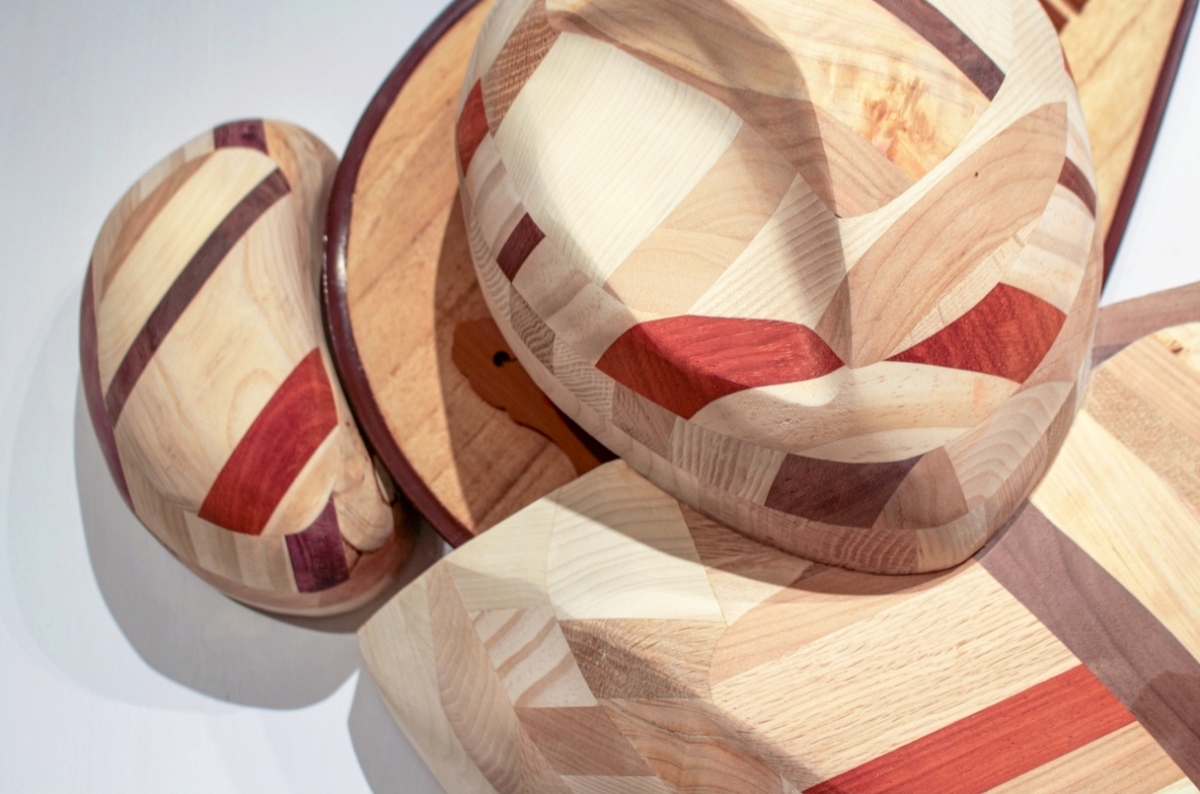
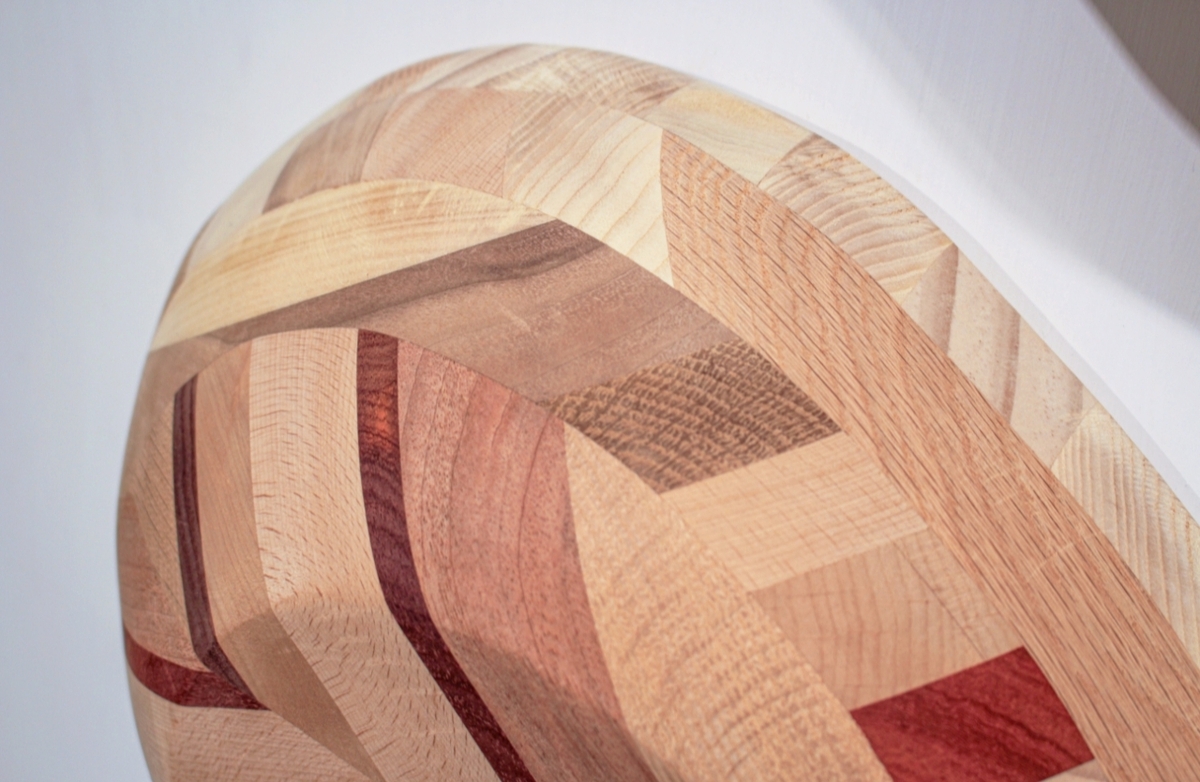
The piece is designed to hold the traditional Chinese musical instrument, the pipa. Wood lamination techniques are used to create the surface patterns and textures. The dancing posture of the Flying Apsara is recreated through woodworking craftsmanship. Wood inlay techniques are used to create a variety of shapes and forms.

Within a Drop

Department of Arts and Design, National Taipei University of Education

The ripples blur and dissipate, melting into the light and shadow, only to exist within the water in another state. Each ring represents a phase of myself, slowly sculpted by time. We take on different shapes through life, but every reflection is fundamentally me.

back to top