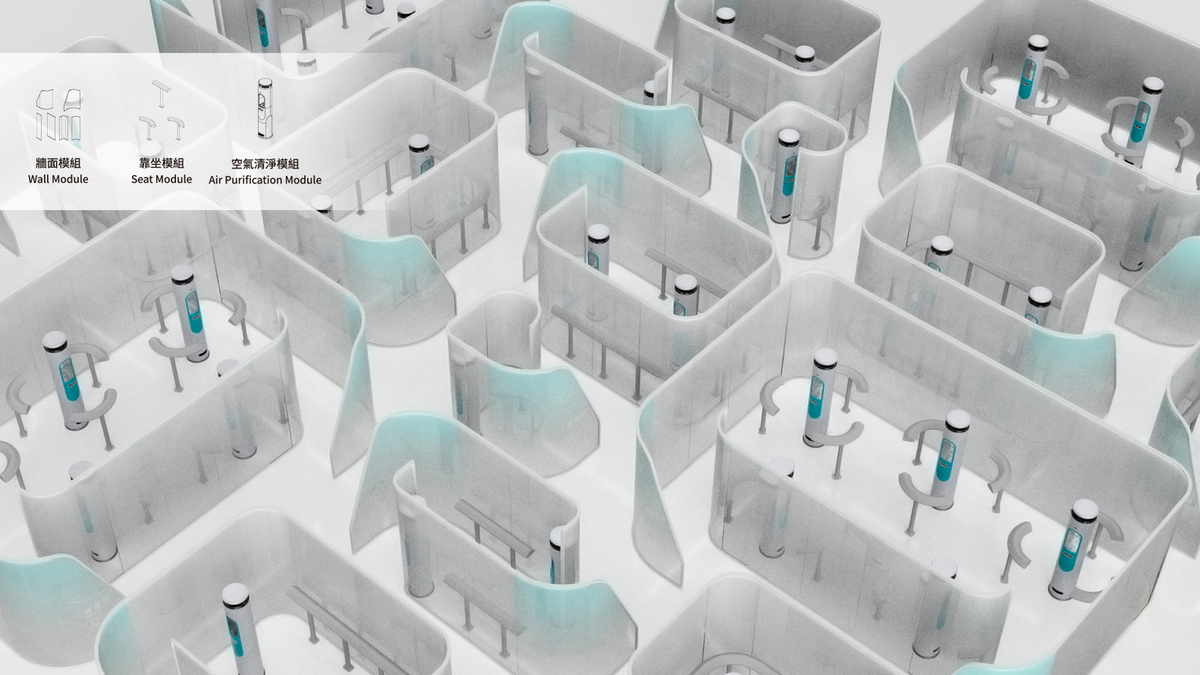
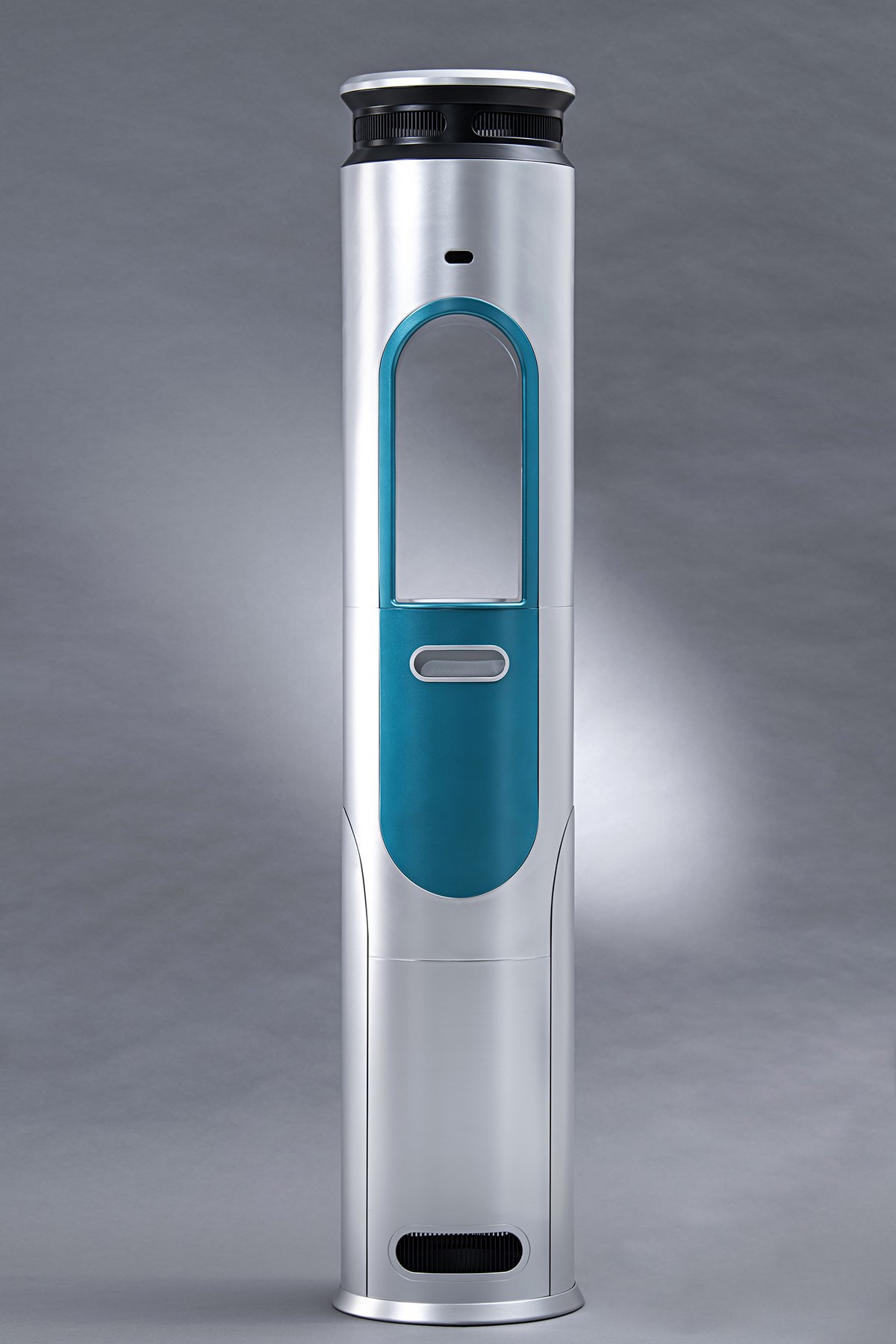
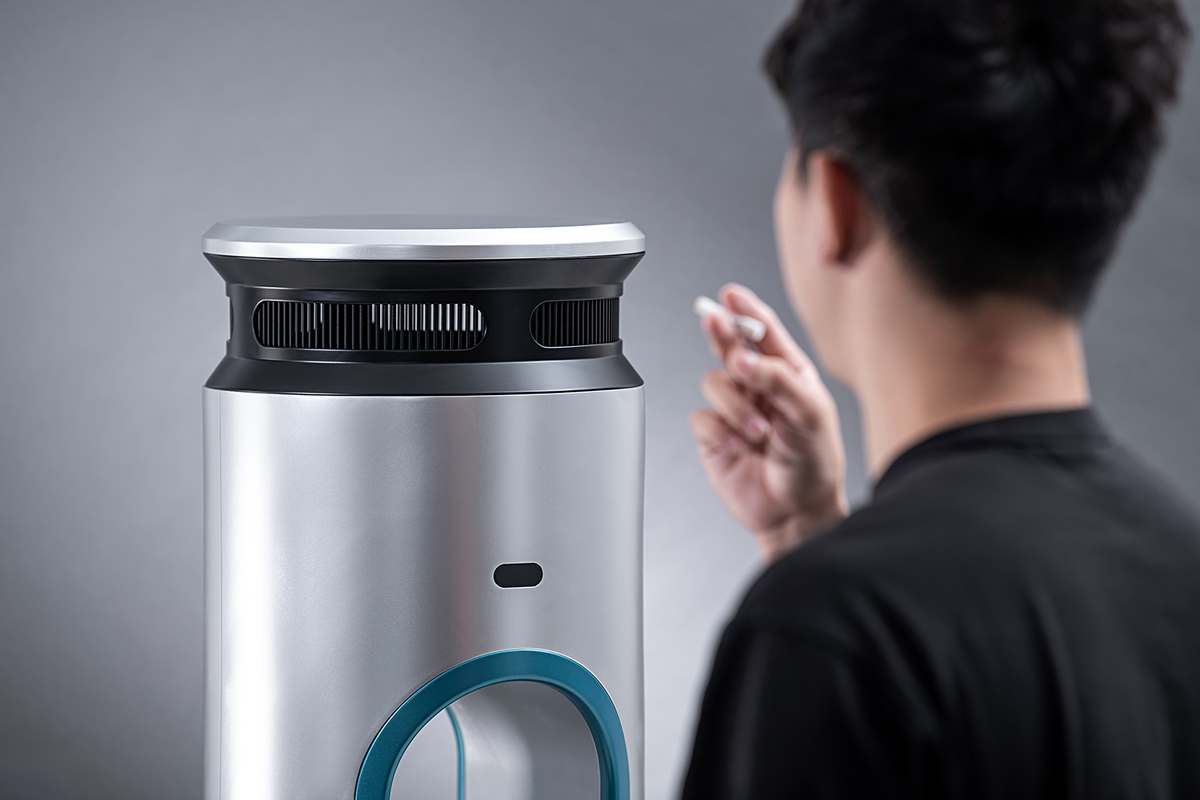
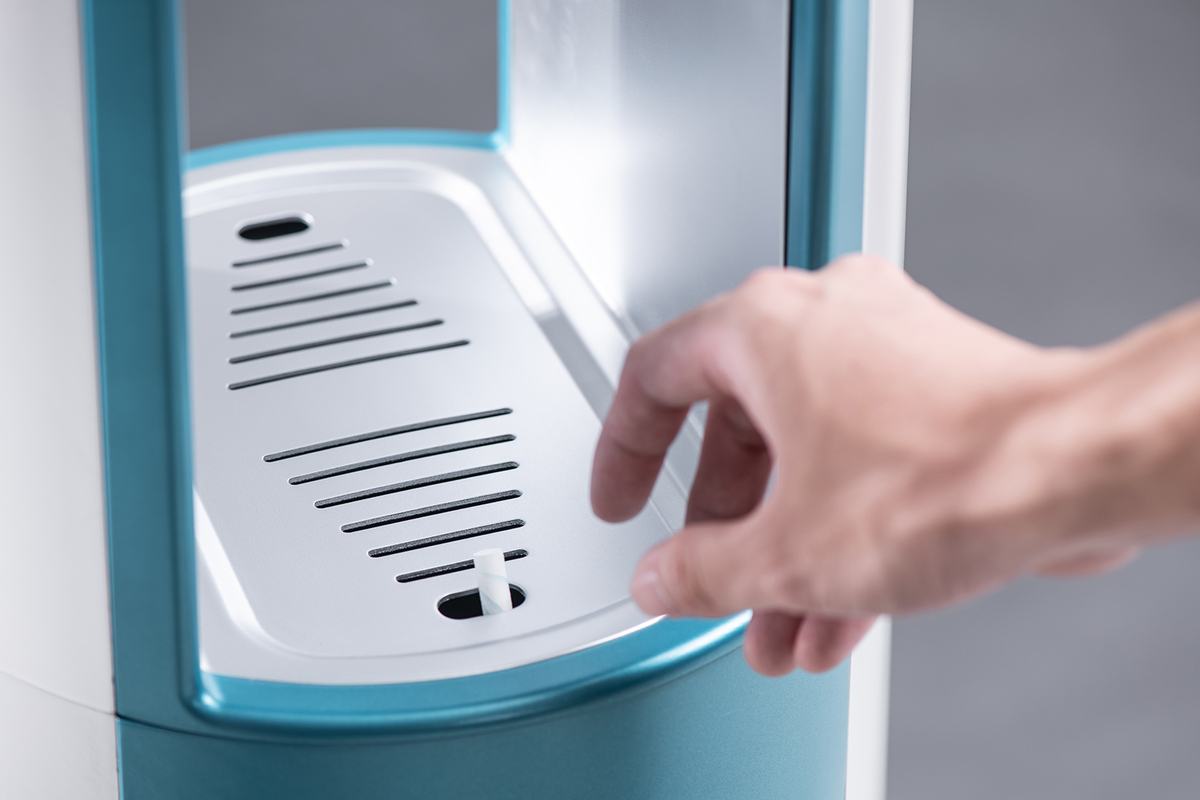
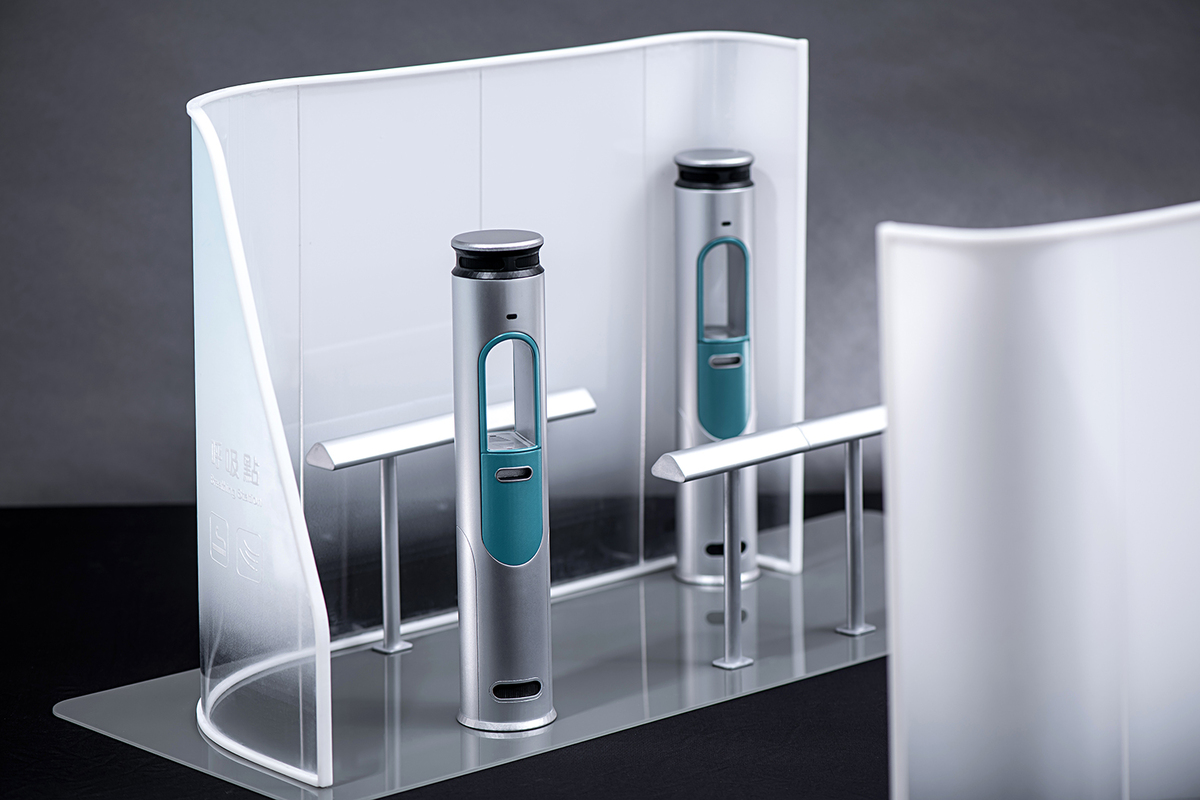
The Breathing Station is a modular urban breathing system. By combining semi-transparent partitions with advanced air purification technology, it precisely captures smoke while dissolving social tensions. Instead of forcing behavioral change, it ensures "dignity for smokers, zero pressure for passersby," reshaping a shared space where society can peacefully coexist and breathe safely.
The Great Snack Heist
Department of Cultural Creativity and Digital Media Design, Lunghwa University of Science and Technology
When shared office snacks suddenly vanish, three colleagues escalate a mundane incident into a full-scale investigation. Chen Zhengyi, acting in the name of "process and order," takes charge by listing suspects and demanding surveillance and searches. Zhang Simou transforms the scene into something resembling a TV set, turning the investigation into a performance. Meanwhile, Li Lengyu calmly aligns the timelines, pointing out contradictions to prevent a rush to judgment.
As drawers are ransacked and accusations fly, the facade of rationality begins to crack, revealing hidden insecurities. One person hides cute trinkets deep in their desk, fearing judgment for being "childish"; another preaches order while secretly relishing the power of control; and another constantly tests the boundary between being observed and manipulating the gaze of others.
During the night, the snacks are mysteriously replenished, accompanied by an ambiguous note that blurs the truth even further. The next day, the turning point arrives: the company issues a notice that the team has failed its "Integrity Assessment." Zhang Simou finally confesses—he took the first bag of snacks. The "fake" surveillance and the note were his handiwork, a social experiment to test honesty and see how "being watched" alters human behavior.
By now, the identity of the thief no longer matters. The three return to the conversation itself. As the office lights dim at the end, the half-open drawers and neatly rearranged snacks pose a silent question: Does trust stem from systems, performance, or the raw moment of confession?
We have received your opinions, and will get back to you as soon as possible!