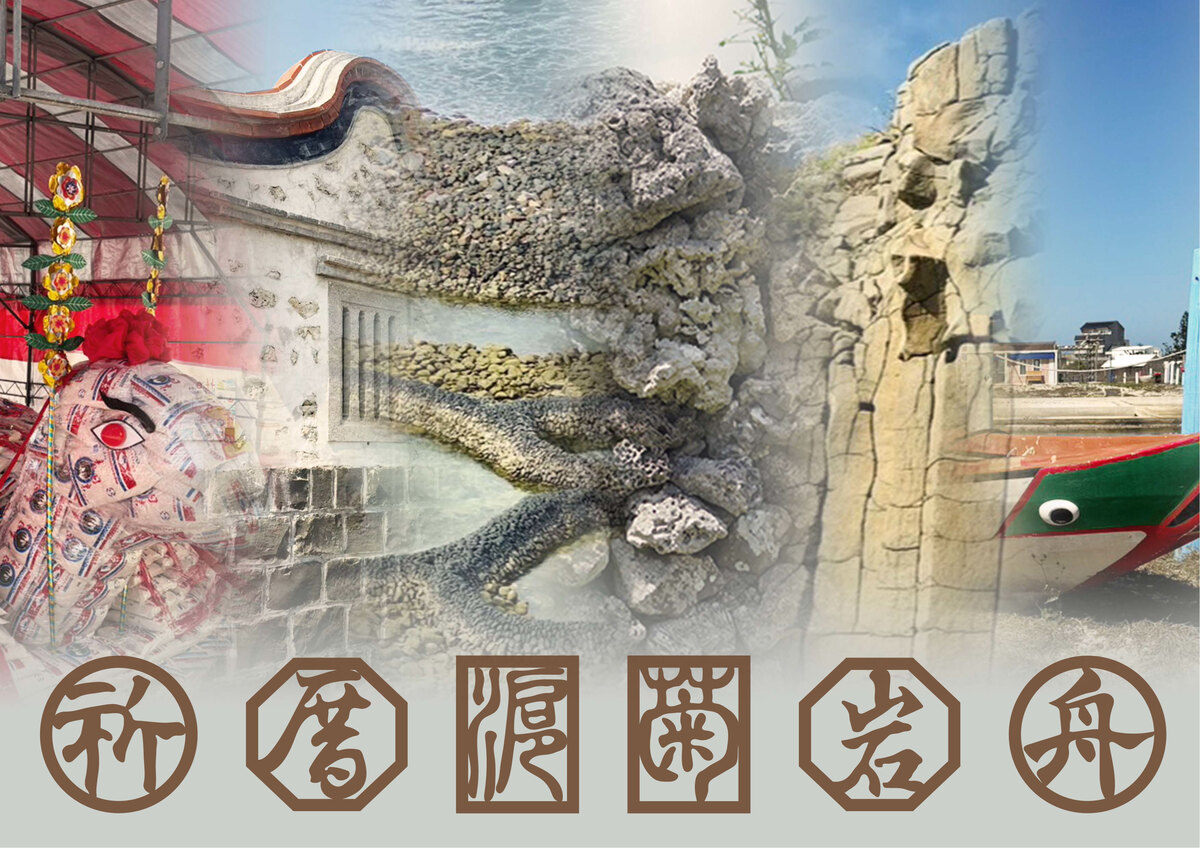
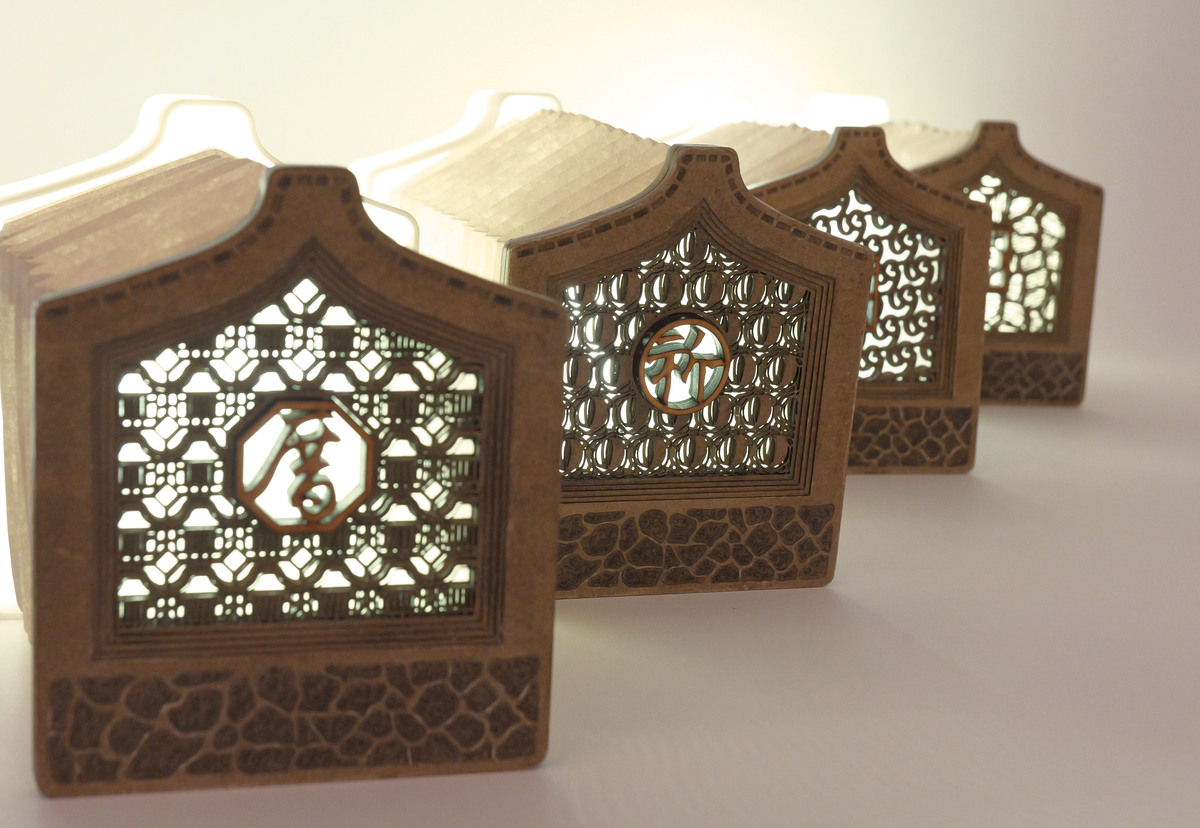
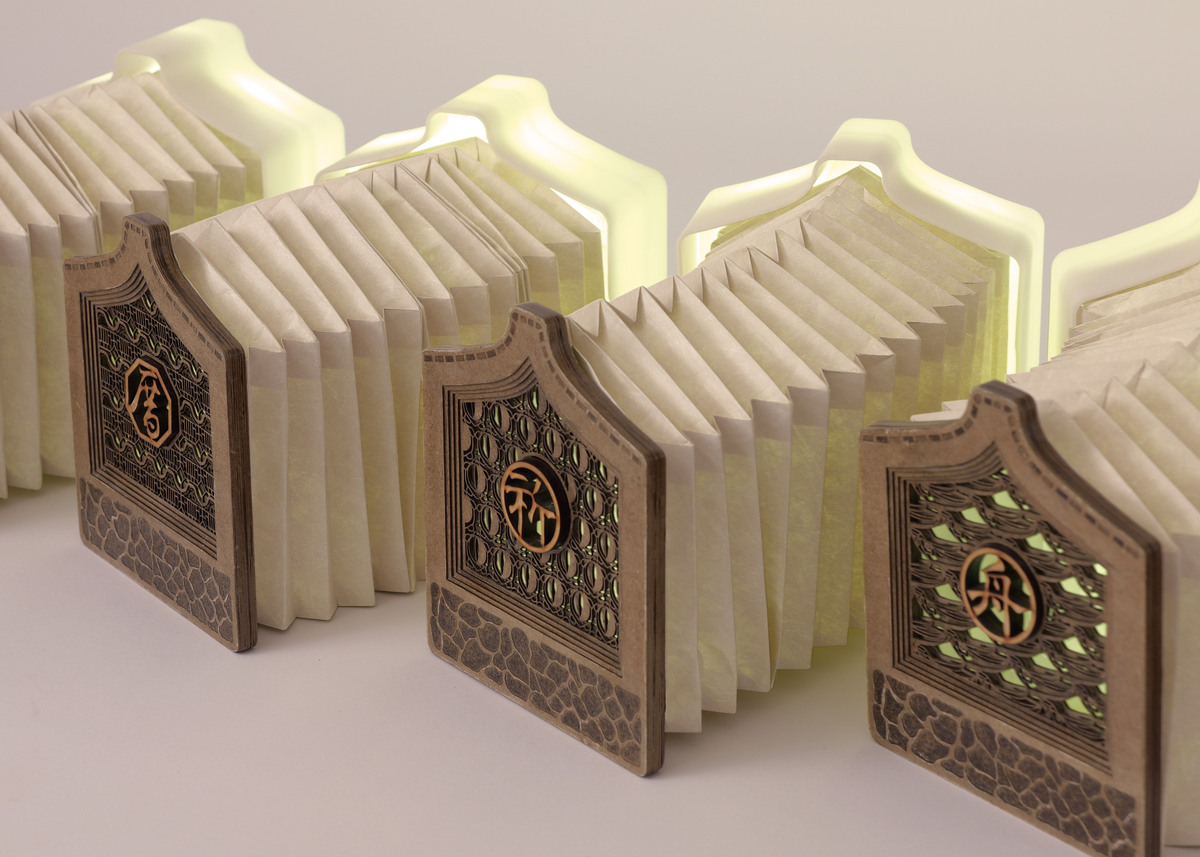
The project is titled “Ping Fu,” a homophonic adaptation of Penghu’s former name “Ping Hu,” symbolizing peace and happiness. Inspired by the traditional architecture of the Erkan Ancient Residences, the design reinterprets the characteristics of historic settlements into a contemporary form. The window lattice incorporates elements of Penghu’s ocean, environment, and cultural heritage, reflecting local life memories and the unique cultural landscape.
Plastic Recycling & Re-forming Educational Kit
Department of Cultural Creativity and Digital Media Design, Lunghwa University of Science and Technology
The large-scale production and use of plastics worldwide have placed a heavy burden on the environment, severely affecting ecological balance and resource circulation. Among them, plastic bottle caps and plastic bags are some of the most common forms of marine waste. The “Replastic Educational Kit” is centered on interactive learning, guiding teachers, students, parents, and children to jointly understand the process and value of plastic recycling. It aims to cultivate awareness of resource conservation and environmental responsibility while encouraging reflection on the relationship between daily life and environmental protection, thereby promoting the sustainable development of the circular economy.
Compared with current recycling systems that mainly rely on large-scale industrial processes, participation and interaction are often limited, resulting in relatively low public motivation for recycling. Therefore, this educational kit adopts a fun and hands-on approach to recycling activities, allowing users to give plastics a new life. Recycling is no longer merely a mechanical sorting process but becomes a learning experience that integrates creativity, education, and practical action.
We have received your opinions, and will get back to you as soon as possible!