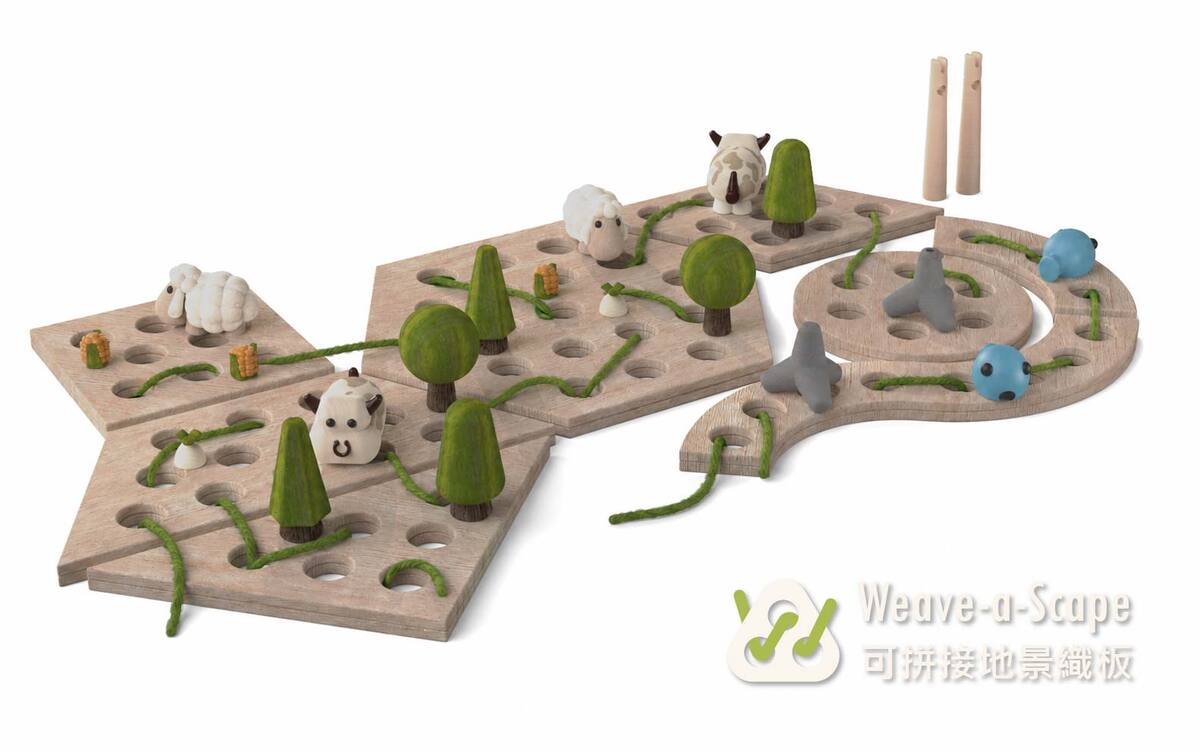
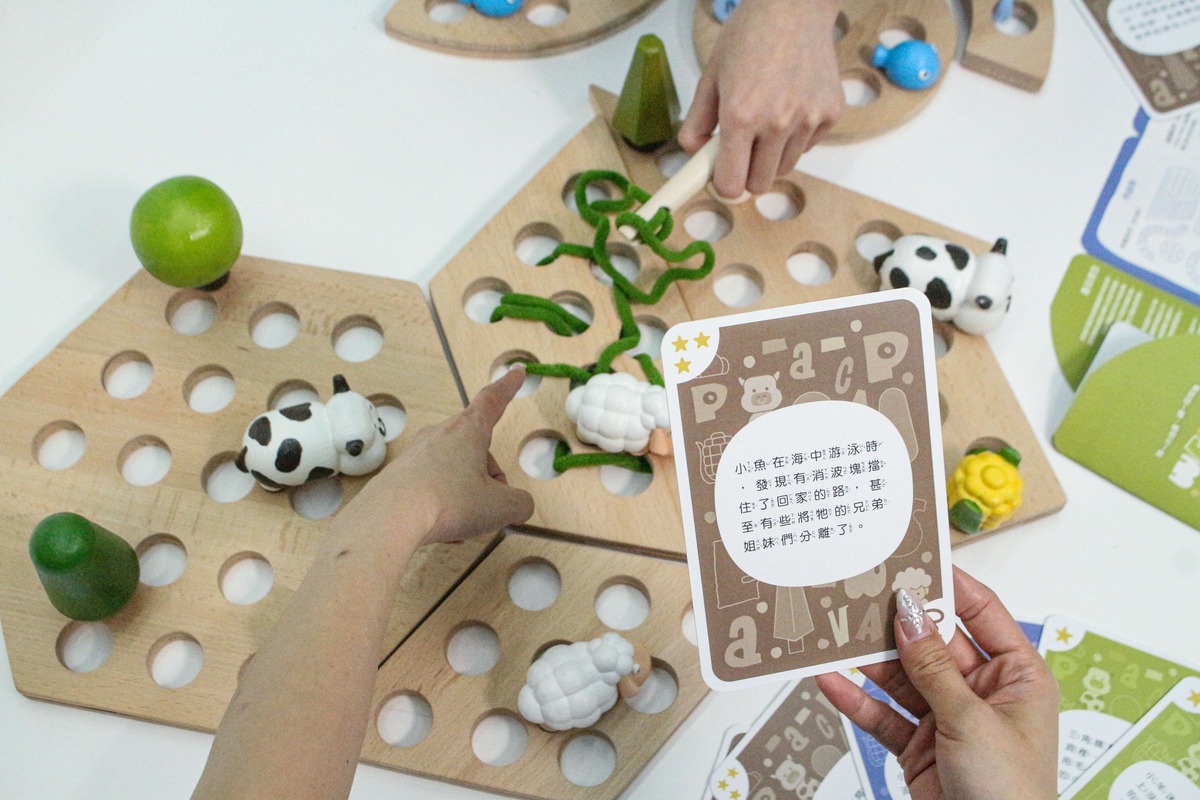
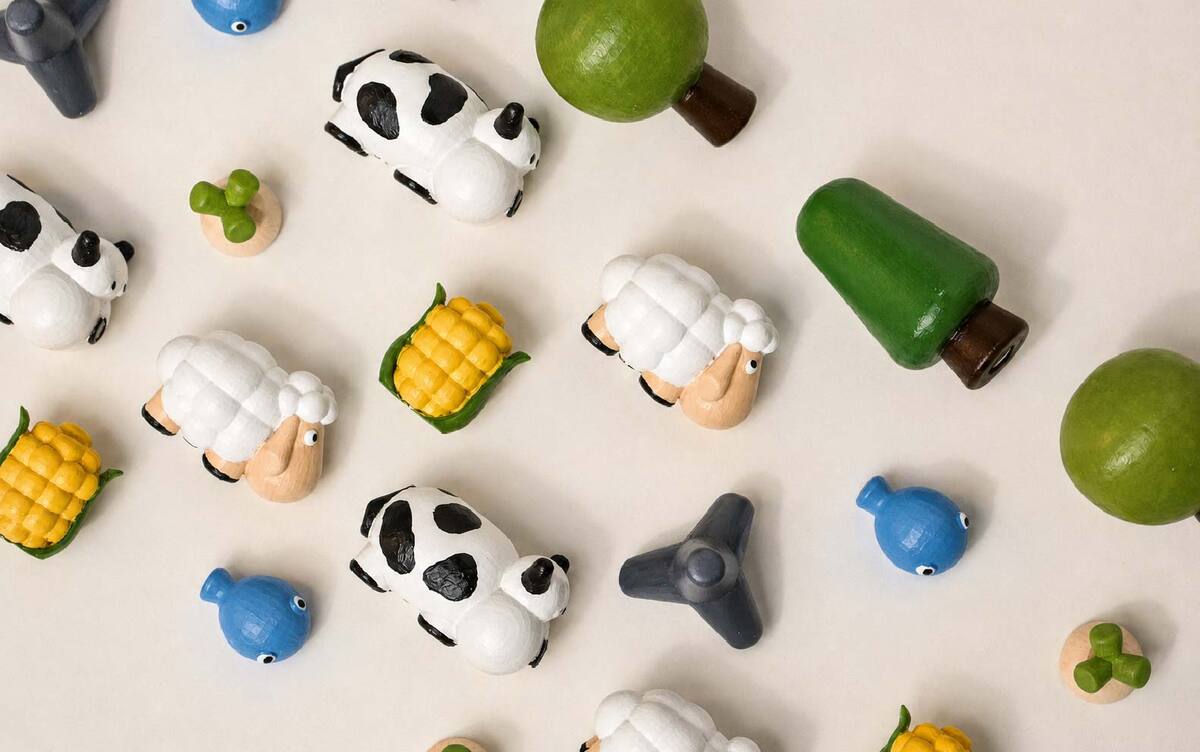
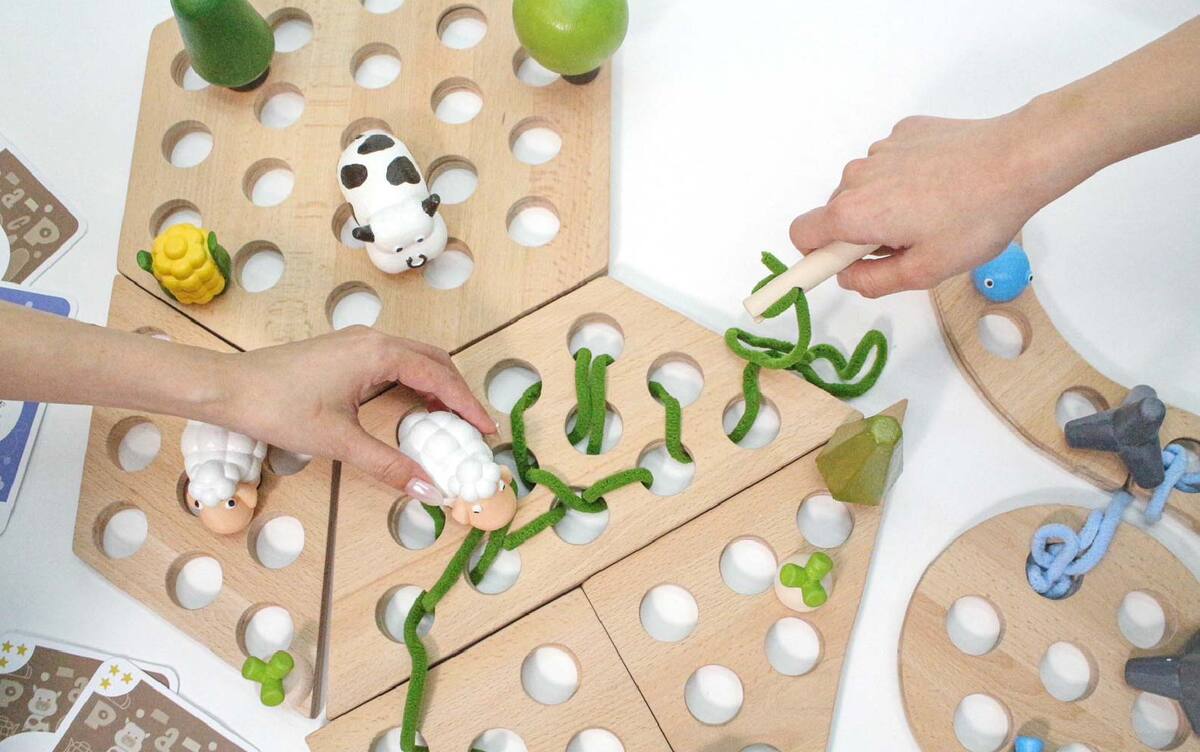
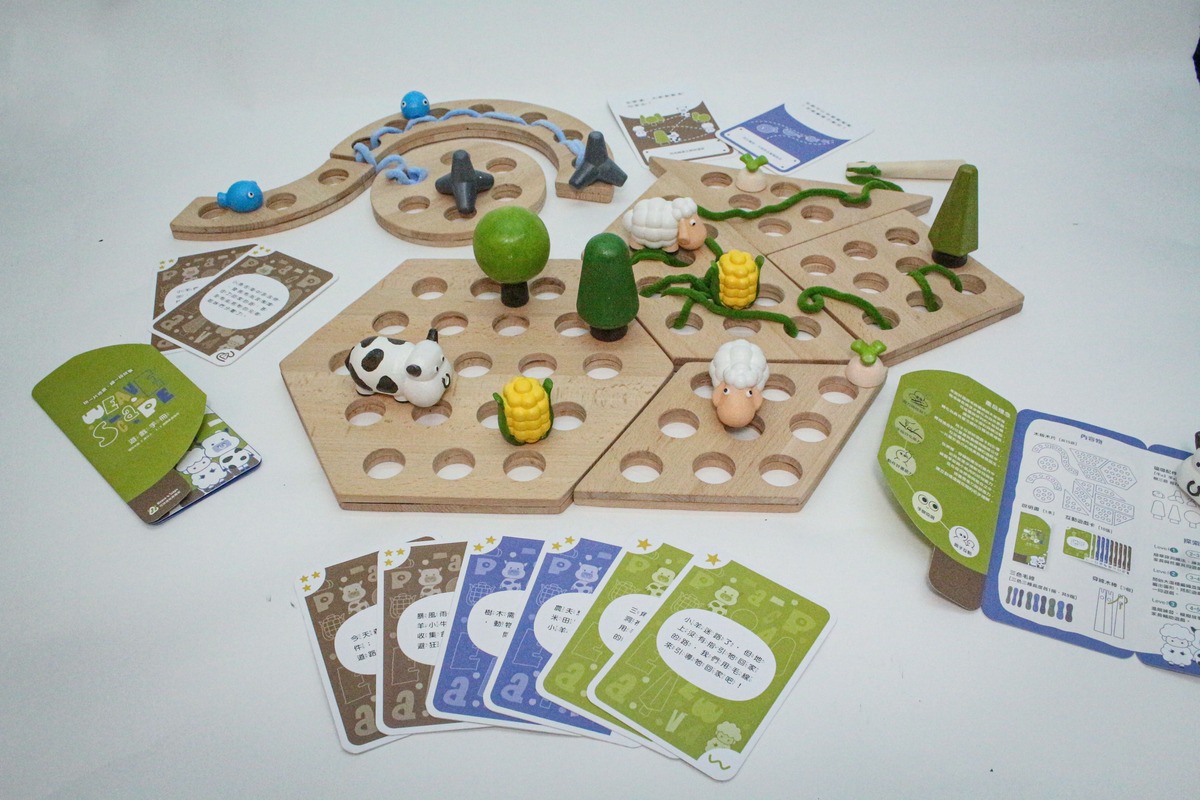
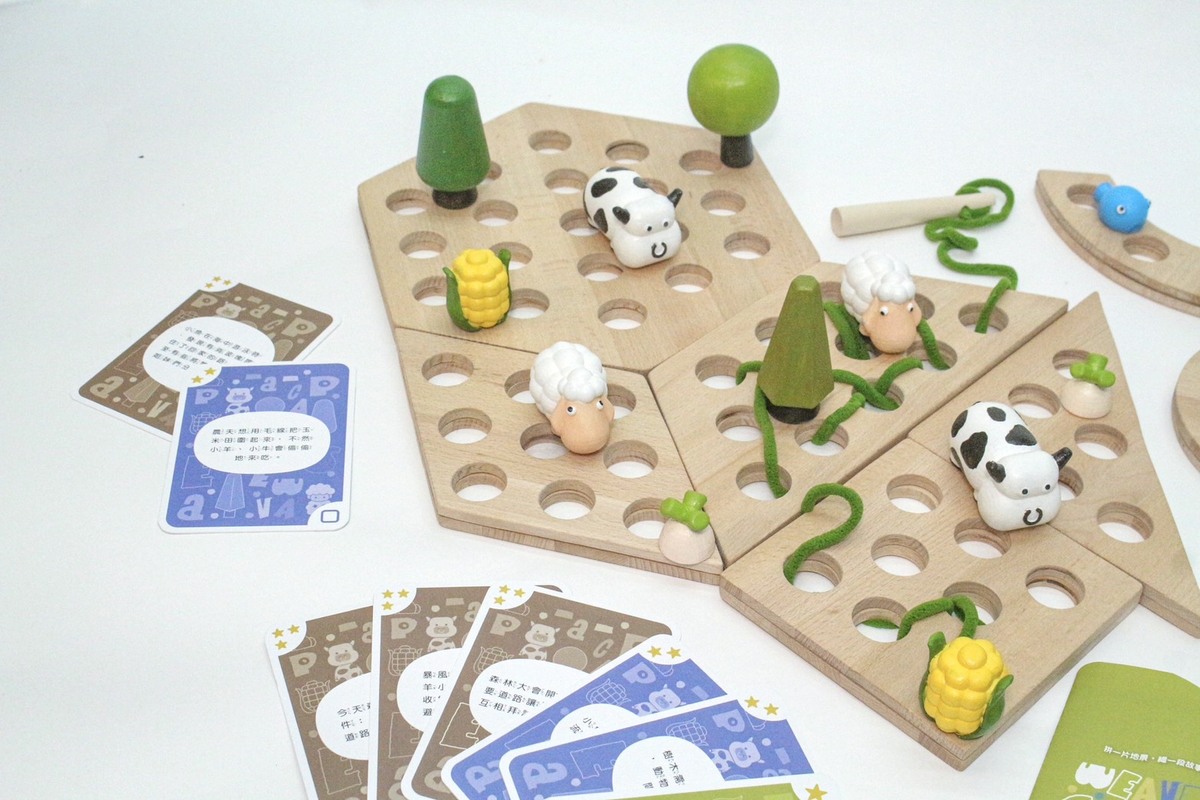
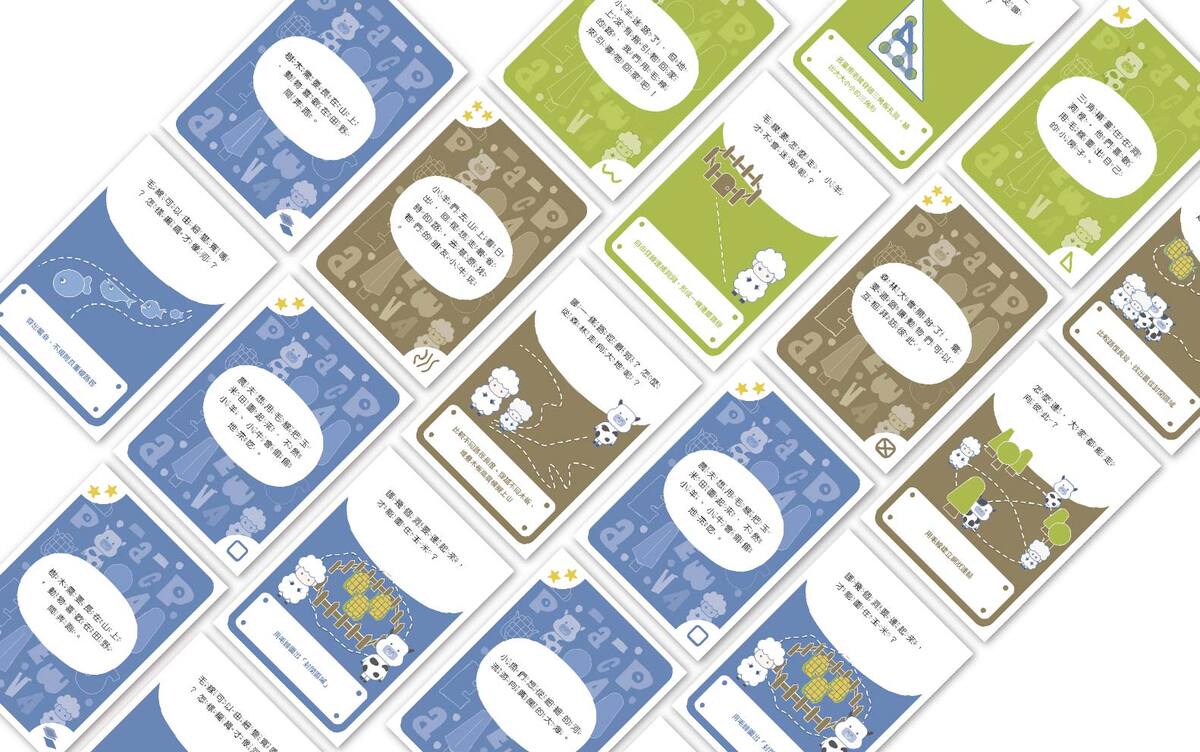
By combining magnetic wooden boards with weaving activities, flat weaving is transformed into landscape construction. Young children can learn to manipulate weaving sticks, train their fine motor skills, and develop spatial concepts by observing the relationship between yarn and shelves, thus cultivating their imagination and spatial awareness.
Pulse of Water
Department of Interior Design, Tainan University of Technology
In recent years, extreme climate phenomena have intensified worldwide, with frequent occurrences of heavy rainfall and droughts leading to increasingly uneven distribution of water resources. In Taiwan, despite abundant rainfall, the island’s steep terrain and environmental constraints make it difficult to effectively retain rainwater. Coupled with serious water pollution issues, the amount of usable freshwater remains relatively limited. On the other hand, Taiwan is surrounded by the ocean, possessing rich biodiversity and diverse marine ecosystems. Tidal movements also contain considerable potential as natural resources, awaiting further development.
Against this background, the project site is located in Taijiang National Park, at the estuary of the Yanshui River where it meets the sea. The design aims to transform knowledge related to the purification, circulation, and collection of freshwater, as well as the rich ecology nurtured by seawater and the potential applications of tidal resources, into a space that can be seen, experienced, and actively engaged with. At the same time, it emphasizes an “edutainment” design approach, allowing people to learn about water resources through various forms of interaction with water, such as playing in water, engaging with waterfront spaces, viewing the scenery, and resting.
Furthermore, different forms and characteristics of water are integrated into the architectural design, enabling the building to harmonize with its surrounding aquatic environment. It is hoped that this “Water Resource Education Center” will provide a pleasant and fluid spatial experience, allowing visitors to learn essential knowledge about water resources in an enjoyable and immersive way.
We have received your opinions, and will get back to you as soon as possible!