四點設計 Contact to Snail Visual Office for cooperation
Booth Number: E-08
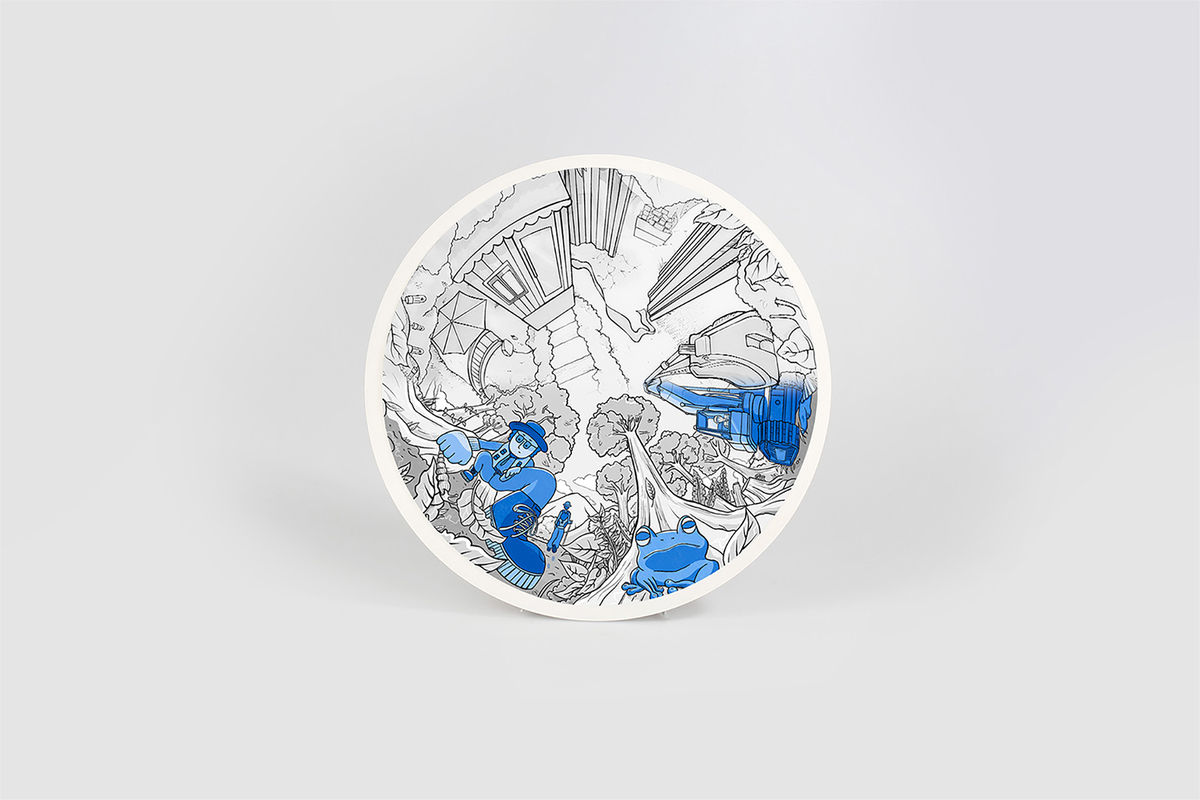
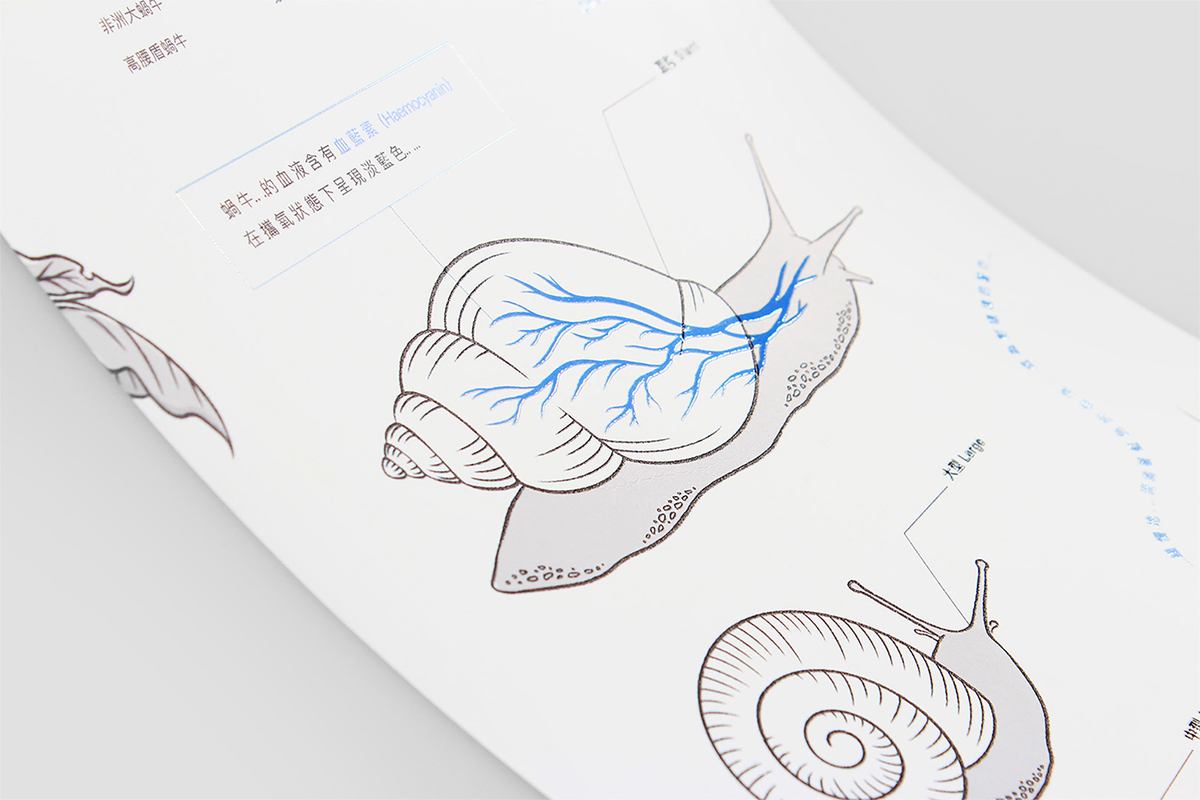
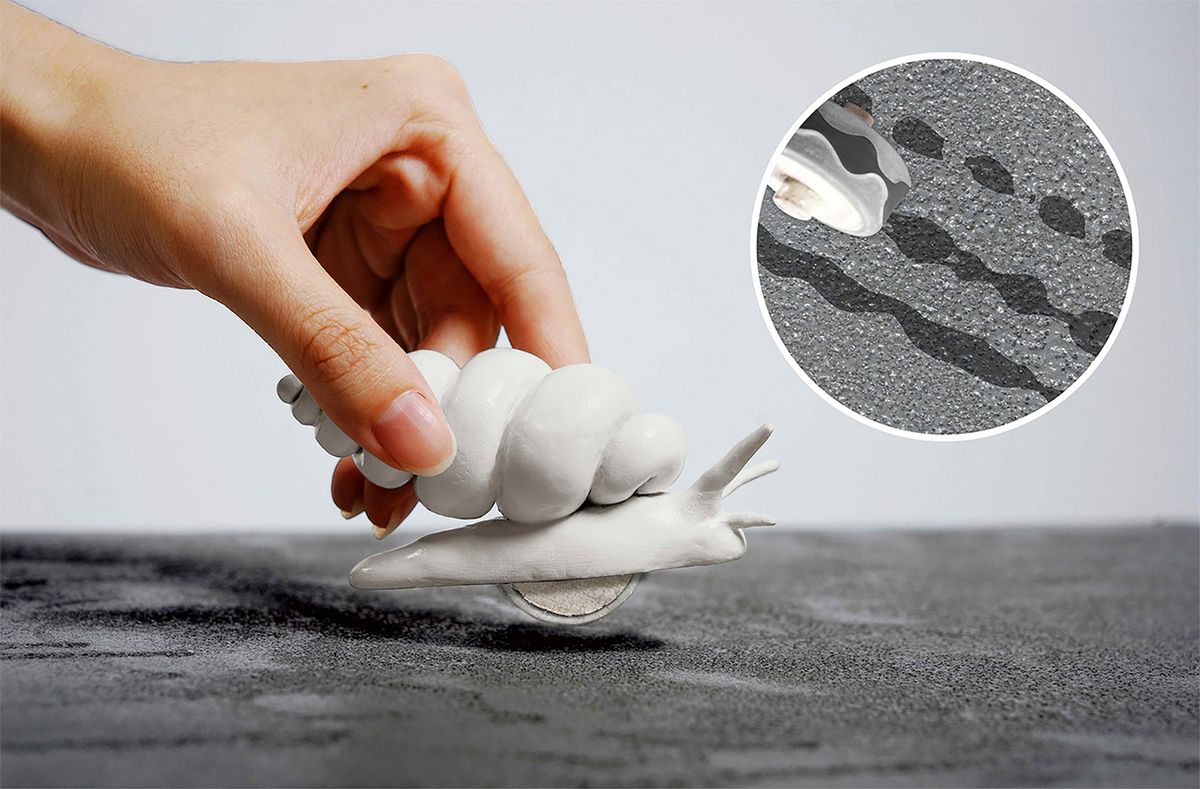
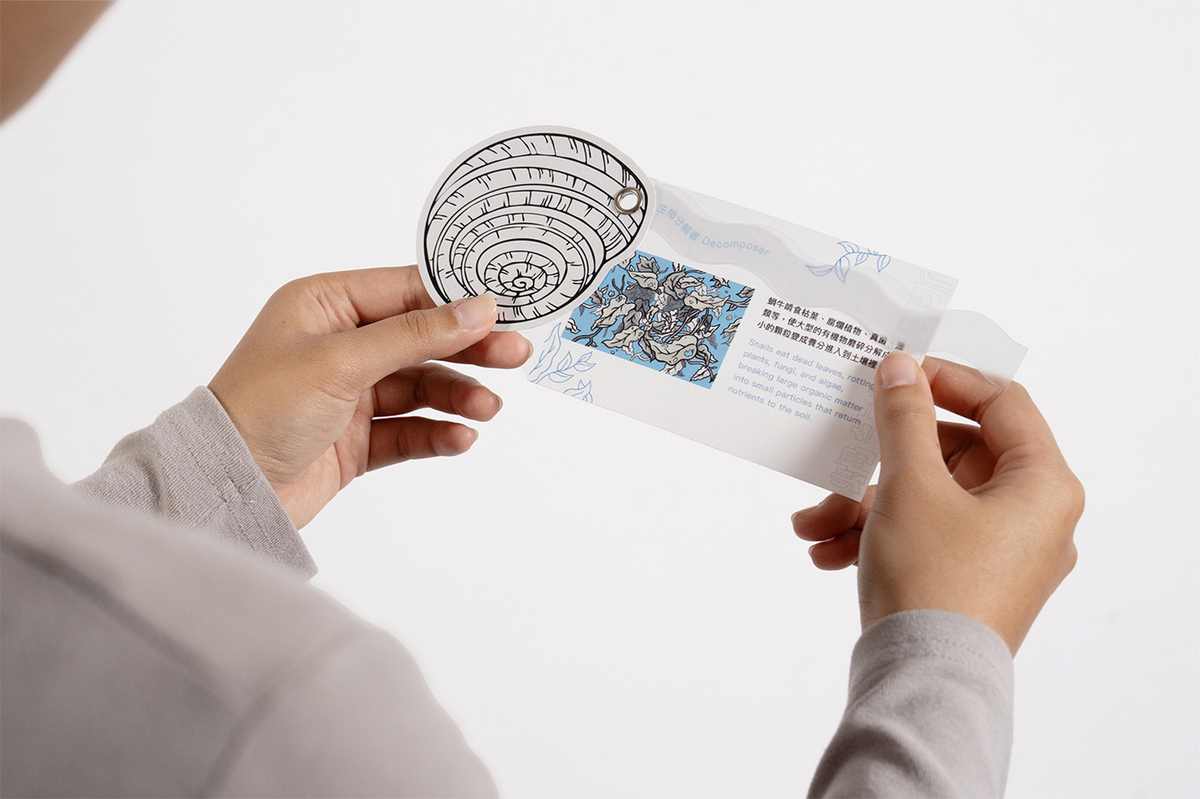
This project begins from the perspective of a snail, guiding viewers to reconsider the relationship between humans and nature. By shifting between human and snail viewpoints, the work immerses viewers in different sensory experiences and encourages reflection on ecological issues This topic centers on snails, presenting both human-overlook and snail-overlook perspectives through fisheye and radial compositions. Combined with raster interactions, viewers switch perspectives by standing or crouching, guiding them to reconsider their relationship with the environment from different angles. The work uses snail blood color 'blue' as the standard color, and the area symbolizing habitat destruction in the main visual will appear blue.
CoTone
Dept. of Commercial Design Chung Yuan Christian University, Chung Yuan Christian University
Nature is more than something to be protected;
it is also a force that protects humanity.
Approaching the project from the perspective of environmental education,
we transform local natural sound elements through sound guidance and guided design.
The calls of migratory birds, the sound of wind, flowing water, and ambient environmental sounds become sensory cues that encourage visitors to reflect, strengthening their awareness of environmental issues.
Using the Migratory Bird Sound Interactive Chair as an entry point for environmental education,
local bird calls, wind, and water sounds are transformed into an interactive experience.
Through question-based design, ecological interpretation is turned into a guided experience, lowering the barrier to understanding and allowing people of different ages to participate.
As visitors engage with the installation, sounds are triggered by their participation, allowing them to begin with listening and gradually perceive the changes and fragility of the natural environment.
In this way, environmental issues begin to be sensed through sound.
We have received your opinions, and will get back to you as soon as possible!